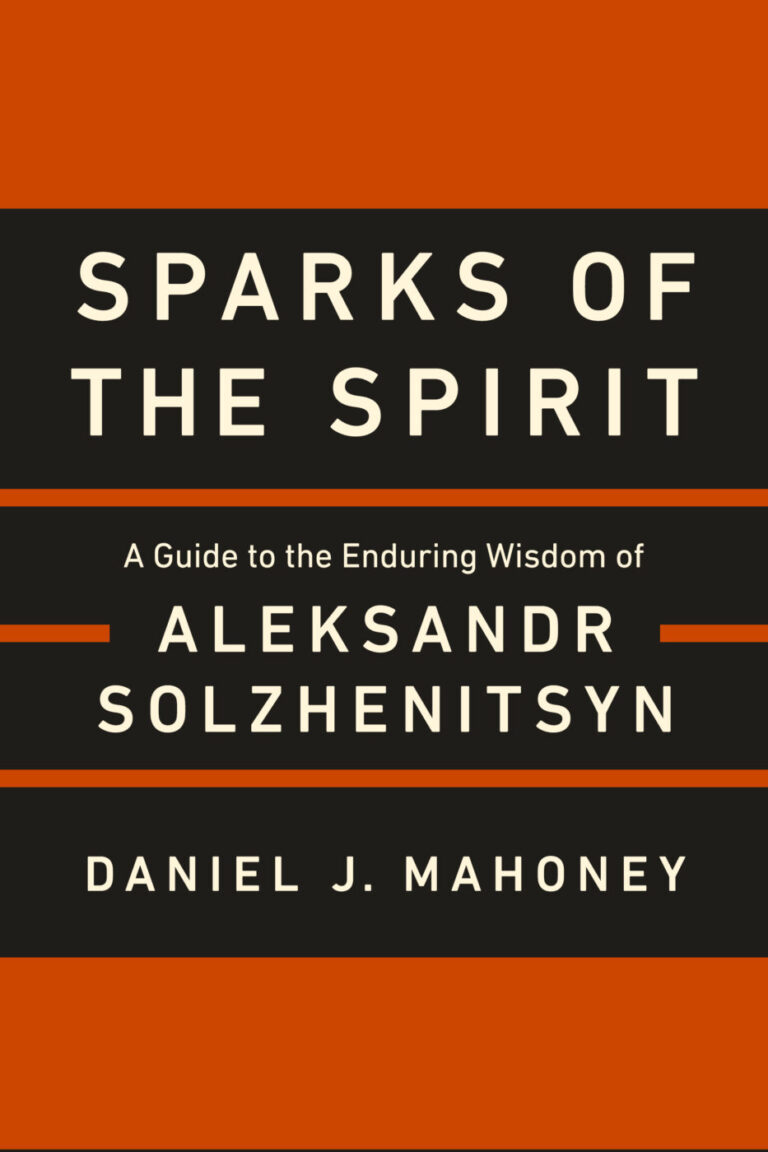
Daniel J. Mahoney, author of forthcoming book, Sparks of the Spirit: A Guide to the Enduring Wisdom of Aleksandr Solzhenitsyn, reflects on Solzhenitsyn’s 1978 address at Harvard University.
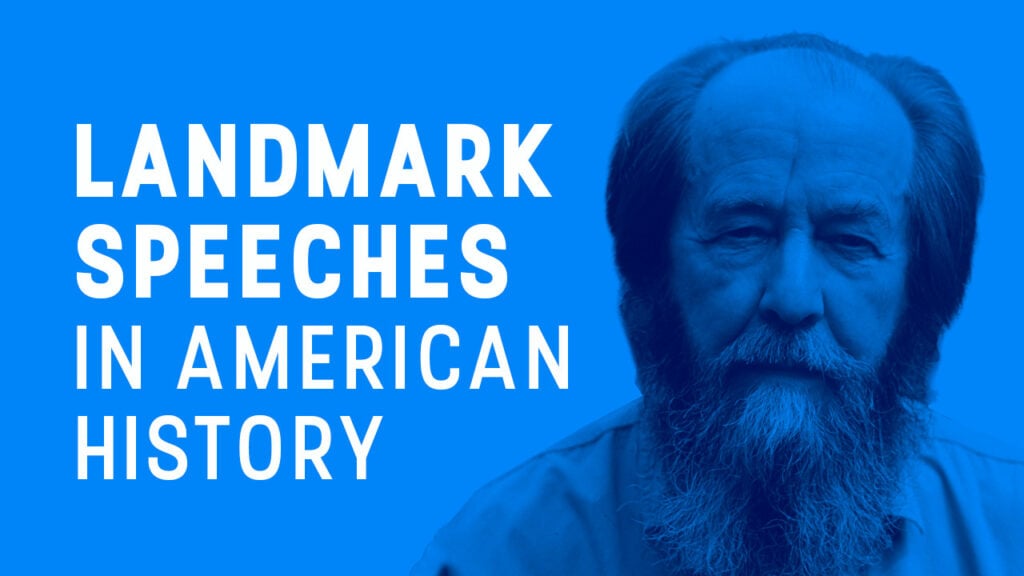
Aleksandr Solzhenitsyn’s June 8, 1978, commencement address at Harvard University, provocative and controversial at the time, is still an important point of reference for those attempting to come to terms with what the most perspicacious political thinkers of the 20th century called “the crisis of the West” or “the moral crisis of our time.”
To be sure, many in the then-contemporary intellectual clerisy responded with dismay and even indignation to Solzhenitsyn’s deeply thoughtful and challenging remarks. Like Alexis de Tocqueville before him, Solzhenitsyn spoke as a self-described “friend,” not as an “adversary,” of American democracy. But that did not seem to matter to his “cultured despisers” and to many of his erstwhile admirers who preferred he speak negatively only about communism and not the West or America.
To read the full speech, click here.
His more heated academic and journalistic critics could only hear in his calm and reflective remarks a bitter “Jeremiad,” a screed by a “fanatic” who was incorrigibly “Orthodox,” and who wished to replace liberty and the rule of law of the American type with an alien authoritarianism tinged with “theocratic” reaction. However, there was nothing in Solzhenitsyn’s carefully calibrated speech to give support to such unhinged judgments.
Writing three years later in the pages of Foreign Affairs magazine, Solzhenitsyn remarked that he had been under the mistaken impression that Americans welcomed criticism, but now he understood that our elites only welcomed it from the Left. “Total,” unrelenting, even nihilistic, criticism of Western civilization by leftist ideologues was welcome, but “partial,” yet sympathetic, criticism of the kind proffered by Solzhenitsyn was verboten…