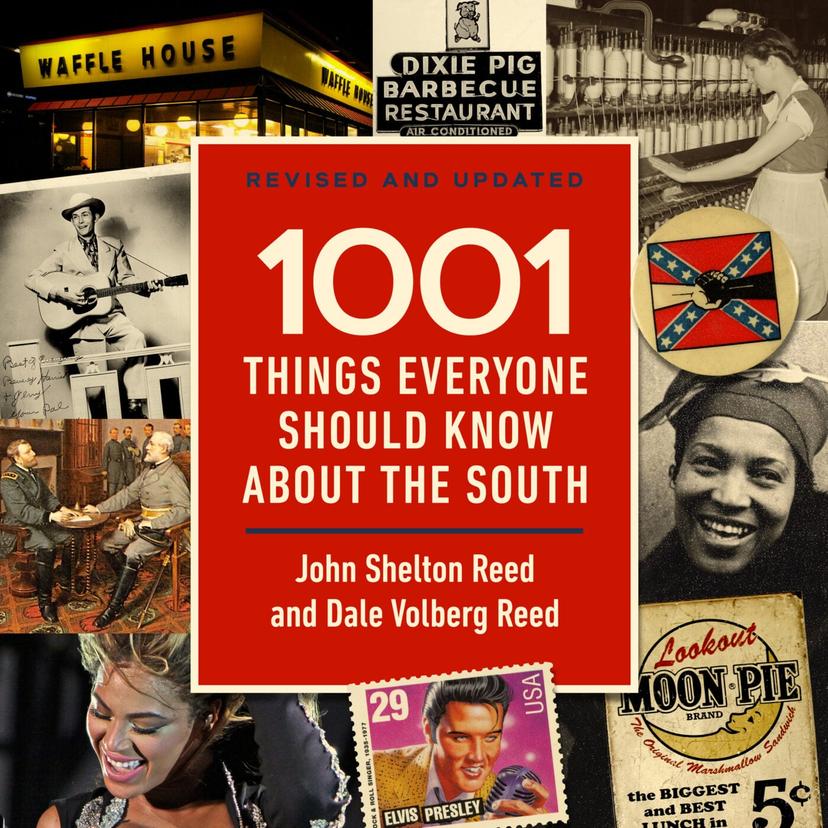
John Shelton Reed reflects on his love of New Orleans in Portico
I told a friend once that my two favorite cities in the world are London and New Orleans, but I couldn’t see what they have in common. He said, “They both drink too much and drive on the wrong side of the road.”
New Orleanians almost always laugh at that, although one Uber driver insisted that all the drunks on the wrong side of the road are visiting Texans.
I do love New Orleans, and, like anyone who spends any time there, I have stories. But my stories aren’t about jazz, hurricanes, vampires, Bourbon Street, voodoo, Mardi Gras Indians—or, for that matter, Mardi Gras itself. No, nearly all of them are about eating and drinking, where I did it, and who I did it with. And, to be honest, a good many involve eating and drinking to excess.
It’s not just tourists and conventioneers who overdo it, by the way. Natives can, too. These are, after all, people who put sweetened condensed milk on their snow cones. Once, driving at dusk on the outskirts of town, we encountered a large neon sign flashing “DAIQUIRI DAIQUIRI DAIQUIRI.” We don’t have drive-through daiquiri stands in North Carolina, so naturally we pulled in. At the window, another sign, hand-lettered, anounced “Sunday Special. One gallon $17.” (Something else we don’t have in North Carolina are T-shirts that say “Rehab is for Quitters.”)
My obsession with the edible New Orleans began with my very first visit in 1967. For a week my wife and I took in the “must-see” tourist sites—wandered the French Quarter’s courtyards and galleries, toured historic buildings, took in the tawdry sights and unpleasant smells of Bourbon Street, listened to old-timers play Dixieland jazz at Preservation Hall, and rode the streetcar out to the columned houses of the Garden District, on the “American” side of town.
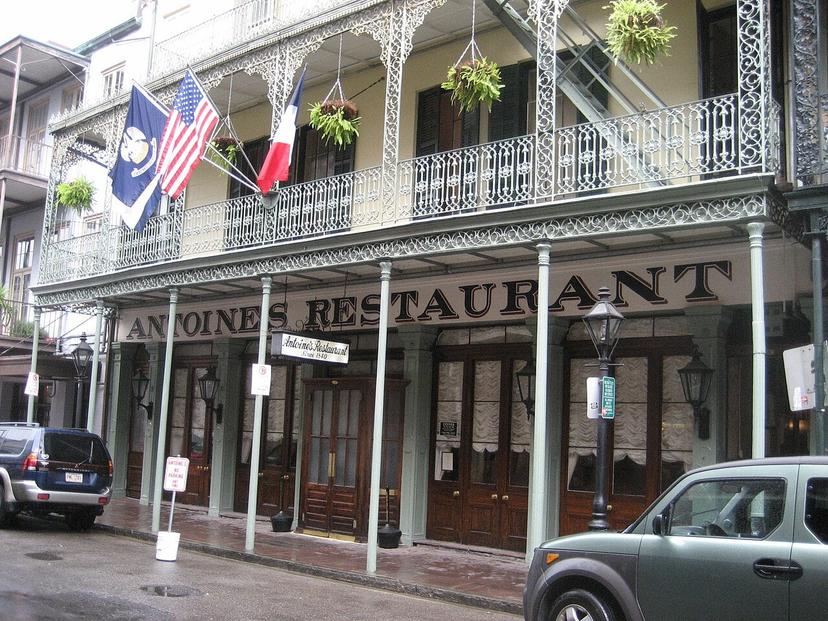
But mostly we ate: two, sometimes three, big meals a day. Everything from red beans and rice for thirty-five cents at Buster Holmes’s on Burgundy Street to the Creole delights of Galatoire’s, where the waiter told us what to order. We ate at Antoine’s and Arnaud’s, and they were wonderful, too. We ate at Kolb’s, a grand old German restaurant across Canal Street from the Quarter. We ate gumbo and po’ boys from hole-in-the-wall places, slurped oysters at The Pearl, and were introduced to the muffuletta at Central Grocery. Almost every day we had chicory coffee au lait and beignets at Morning Call or Café Du Monde.
That set the pattern for dozens of later visits and a couple of long stays.