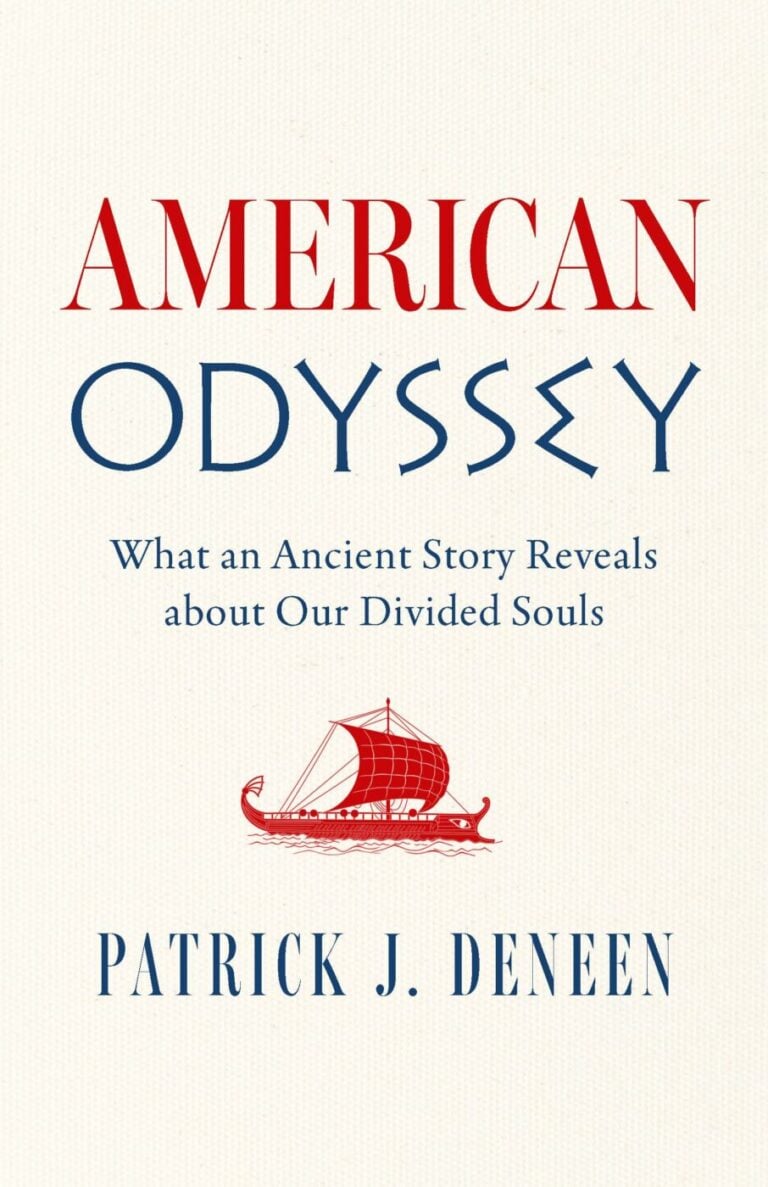
Robert Royal reviews American Odyssey in The Catholic Thing.
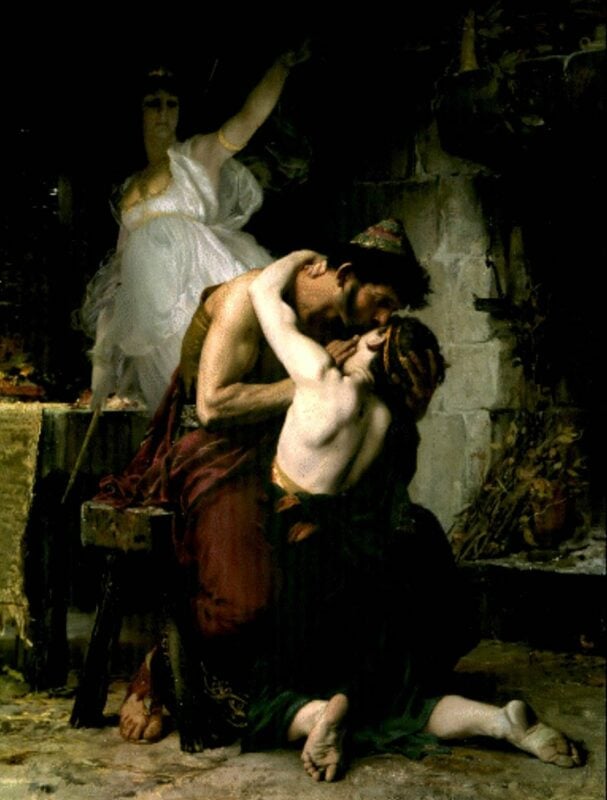
We recently reached the 250th anniversary (a quarter-millennium) of the dominant nation and culture of our time – and of one of the greatest countries in world history. Yet just a few weeks later, you’d hardly know it. And only a month ago, everyone was talking – even here – about a film adaptation of Homer’s Odyssey, a 3000-year-old foundation stone of our civilization. That, too, passed quickly and is unlikely to become a classic. The Church keeps better time – witness the recent Feast of the Assumption. But we need much greater attention to what’s important, deep, steady, and (relatively) lasting even in our passing world.
Now and then, we get it, for instance, Patrick J. Deneen’s new book American Odyssey: What an Ancient Story Reveals about Our Divided Souls. Many know Deneen as the author of Why Liberalism Failedand one of the brighter lights at Notre Dame. But he has had a long interest in the Odyssey and its connections to the American experience. And he deliberately timed the book to come out at this moment.
At first sight, connecting modern America to Bronze-Age Greece may seem a stretch. But in this brief, lively, and approachable treatment, Deneen ably uncovers several valuable truths. To begin with, as the book’s subtitle indicates, Deneen sees a deep divide particularly in American souls, and one that has existed from the beginning.
The Pilgrims, he notes, crossed the wide Atlantic on their “errand into the wilderness,” but also in search of a true home. They were not just explorers, like Columbus or Amerigo Vespucci (who gave America its name), but also somewhat similar to Odysseus in seeking their proper place. At the same time – and here’s the divided soul – in a sense they were explorers, leaving home in search of a better life, “a city on a hill.”
Deneen traces this paradox through American culture. We are, more than most nations, a people who are both restless and seeking rest – but a rest that lies over the horizon. Augustinian echoes are obvious here, in that all human beings are seekers, of course, often not knowing that the only real rest is in God. But in America that perennial search also has had this-worldly personal and social dimensions.
Read the whole article here.