The world becomes intelligible to us by and through our naming it. At the same time, we become fully human when we engage in the essential human task of naming.
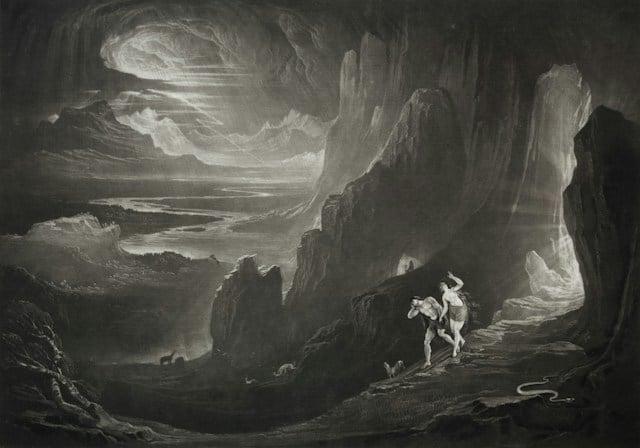
Editors’ Note: This is an excerpt from Breaking Babel: How a Mysterious Biblical Story Can Help Christians Survive the AI Revolution by Mark T. Mitchell (published October 2026 by Creed & Culture).
LLMs (Large Language Models) generate language. You can see a hint of the word “genesis” in the description of what these LLMs do. In a fundamental way, large language models name things. Or rather, LLMs simulate the naming of things….
Homo namer is the term we employed to characterize an essential (perhaps the essential) human function. God’s image-bearers are tasked with naming the world and, in the process, with making the world intelligible. We do this as a way of imitating, in a specifically human way, the creative work of God, who “in the beginning” declared “Let there be light” and in so doing brought forth the possibility of order, rationality, and meaning through the eternally begotten Logos. The world becomes intelligible to us by and through our naming it. At the same time, we become fully human when we engage in the essential human task of naming.
Of course, saying what is and what is not is no easy task. It requires fore- thought, organization, creativity, and clarity of mind. In the same way that the struggle of writing a college essay brings forth virtues that are specifically human, in a broader sense the task of naming, along with all the frictions entailed in the enterprise, brings forth our humanity. We might express it this way: the act of naming, with all the struggle it entails, is part of the way we become suited to the world and, conversely, part of the way the world becomes suited to accommodate us. When we delegate this profound task to a machine, we are abdicating a fundamental responsibility while at the same time relinquishing a primary means of entering into our full humanity.