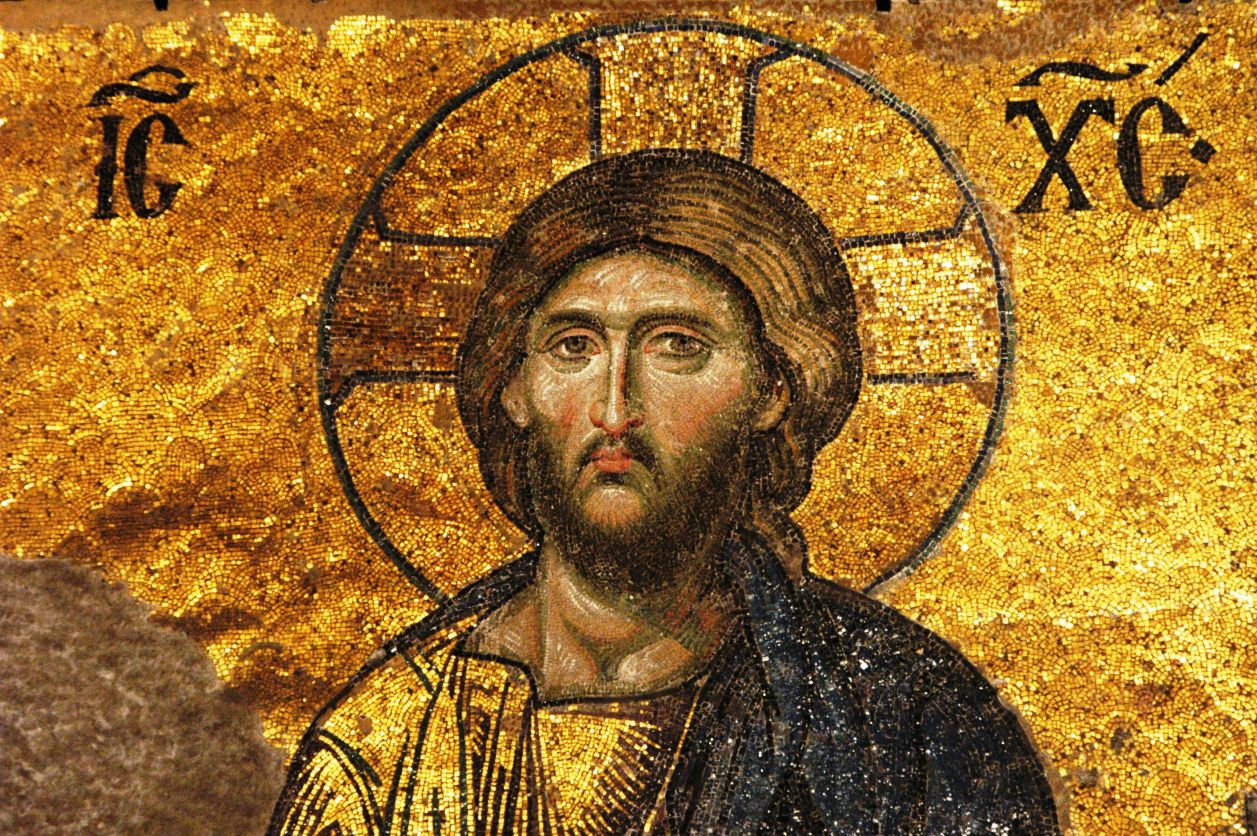
Mark T. Mitchell reflects on where our affections & civilization are cultivated
Mitchell’s forthcoming book, Breaking Babel – How a Mysterious Biblical Story Can Help Christians Survive the AI Revolution will be available October 13th, 2026.
A society that despises itself will die. A civilization that reviles itself cannot endure. Thus, any account of cultural survival must begin with love. And love is necessarily anchored to the particular. We must love that which is ours. Love begins at home.
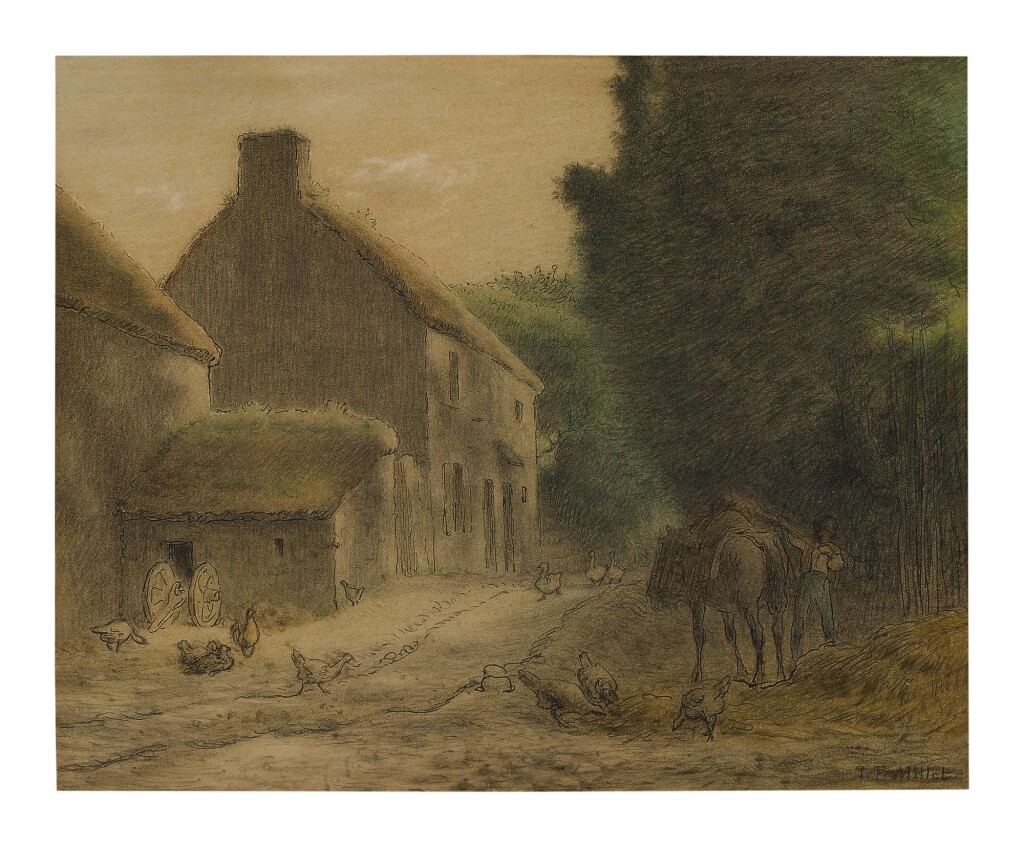
Edmund Burke hints at this when he notes that our loves are formed in the “little platoons.” The home, the parish, the neighborhood—these are the places where our affections are cultivated. The local, the particular, and the placed provide an orientation for subsequent loves. We begin with the particular and move outward toward the universal, but even with that, we never leave the particular behind. Ironically, even those who reject their patrimony and all that it represents shape their lives around that rejection. We are forever haunted by the idea of home.
The notion of home is deeply rooted in our cultural consciousness. Consider some of our foundational texts. The Odyssey of Homer is an epic poem of homecoming. The titular hero, Odysseus, has been at war for ten long years and longs for home. After an array of adventures and distractions, he finally returns, only to find his home ravaged by those who desire both his wife and his kingdom. The integrity of the household is restored through a bloody purgation, and his return is ultimately realized in the nuptial embrace in the marriage bed that is literally and symbolically the center of the home. The love of home, and all that it represents, is the magnetic force that motivates the entire epic.
The Bible is permeated with the notion of home both lost and restored. The overarching architecture of the Bible is characterized by an initial at-homeness in Eden, followed by an expulsion that initiates a process culminating in return. Paradise, Canaan, the new heavens and new earth are all conceived as a sort of return to an original state of peace and belonging. There are, at the same time, smaller cycles that depict the same pattern: expulsion from Egypt, wandering in the desert, and finally a homecoming in the promised land. The exile to Babylon and return to Judah follows the same trajectory.