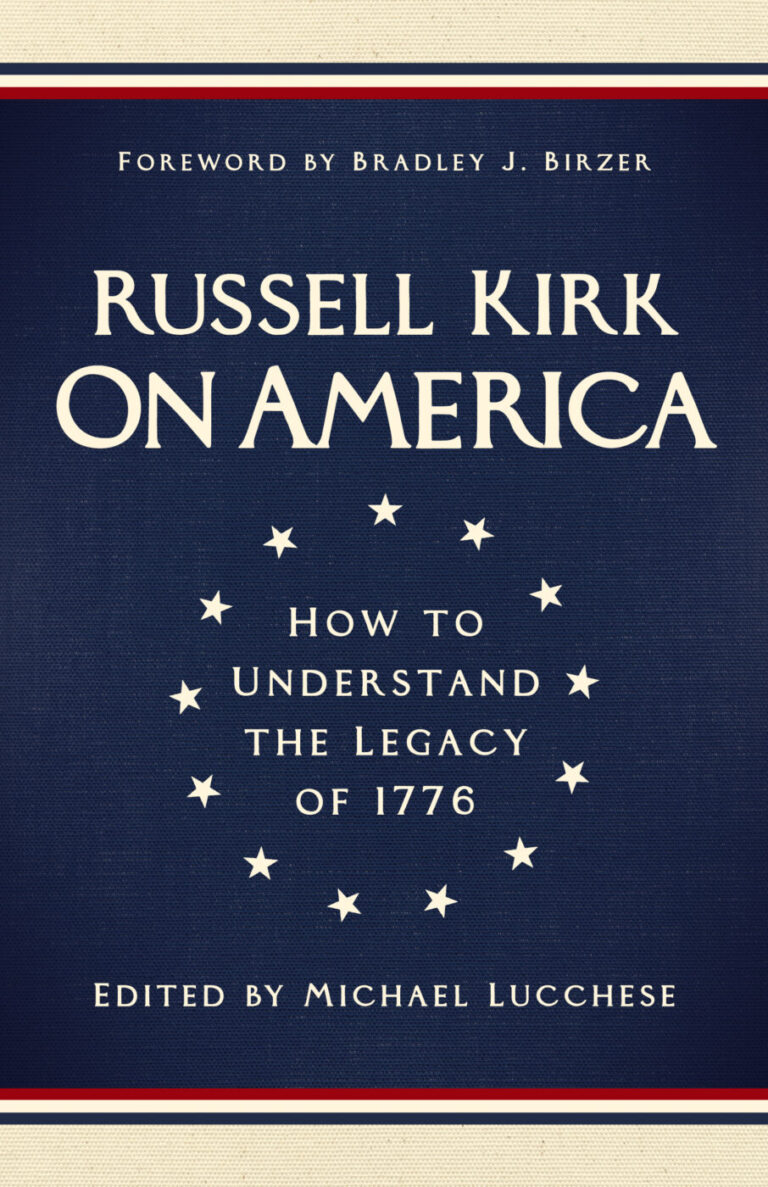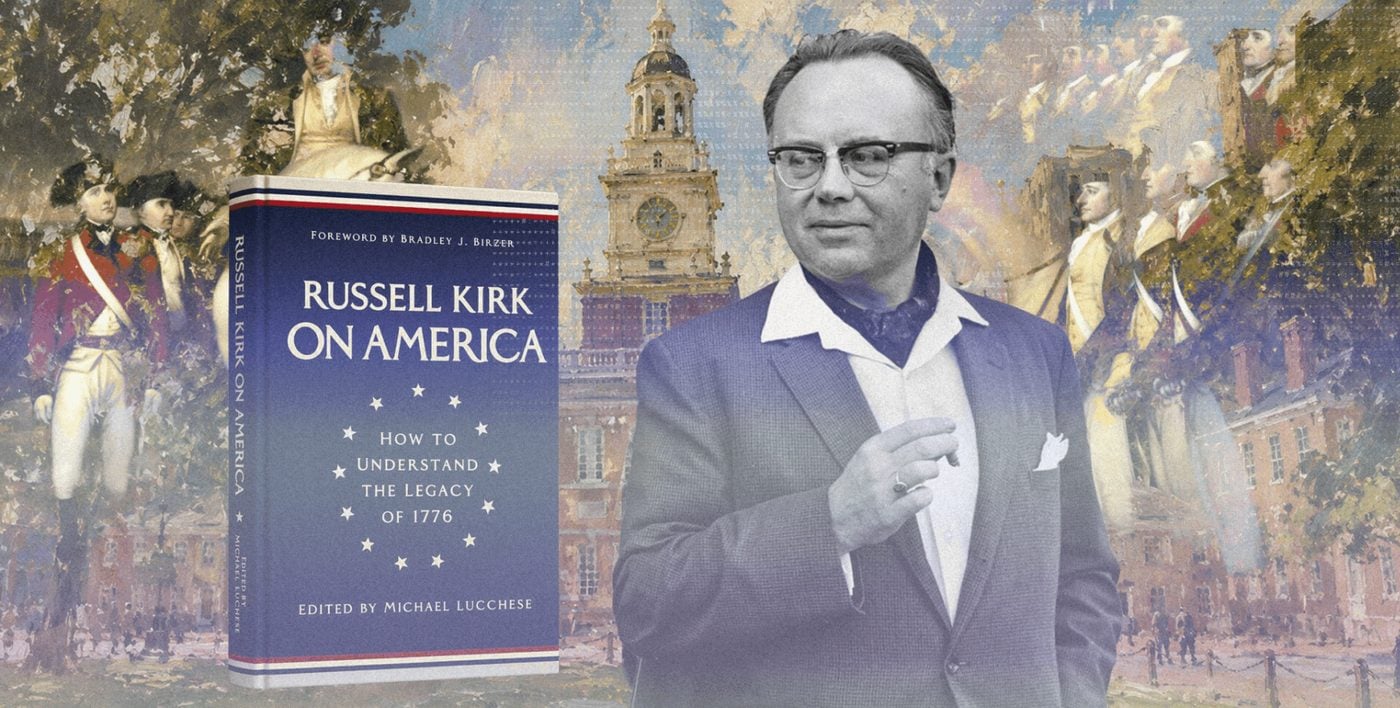
On America by Russell Kirk is reviewed by Randy Elf in The Post-Journal
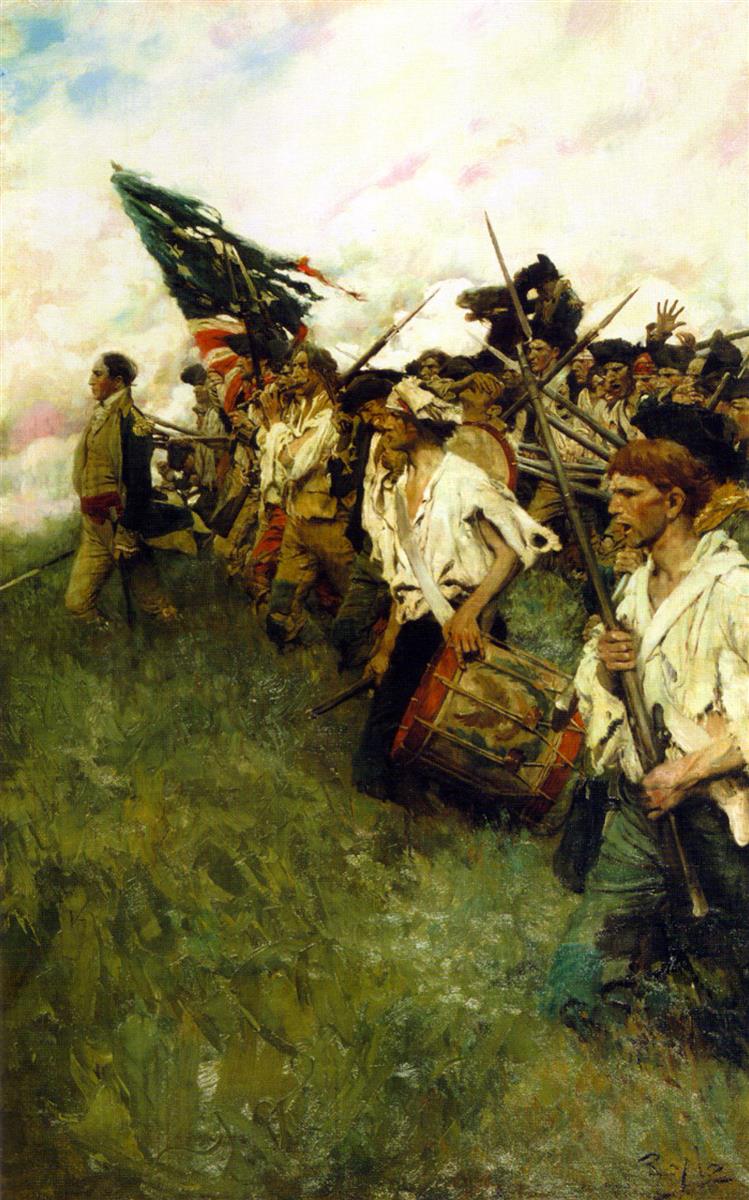
“The Nation Makers” by Howard Pyle, 1906
MECOSTA, Mich.–When this columnist was a newspaper reporter, one of the editors was fond of saying we needed to write in a way that would hold people’s attention when the kids were screaming, the dog was barking, and the television was on.
Today’s column doesn’t follow that rule.
So if the kids are screaming, the dog is barking, or–or–the television is on, please fold this newspaper open to this page and come back later.
♦♦♦
Thank you for heeding this suggestion.
♦♦♦
Just in time for America’s semiquincentennial, a collection of the works of 20th century author, lecturer, and man of letters Dr. Russell Kirk is out.
The 16 chapter book, published by Creed & Culture of Nashville, Tenn., and entitled Russell Kirk on America: How to Understand the Legacy of 1776, is edited by Michael Lucchese and has a foreword by Bradley Birzer.
♦♦♦
On the 250th anniversary of the signing of the Declaration of Independence, let’s have a look at Chapter 2: A Revolution Not Made but Prevented, adapted from an article Kirk wrote for the Fall 1985 issue of Modern Age.
As this columnist heard Kirk say more than once, the American War of Independence was no revolution.
Recalling the French Revolution of 1789, Kirk writes, “Not until the French radicals utterly overturned the old political order in their country did the word ‘revolution’ acquire its present general meaning of a truly radical change in social and governmental institutions, a tremendous convulsion in society that might never be undone.”
By contrast, following the American War of Independence, the “Republic of the United States was an order new in only some respects, founded upon a century and a half of colonial experience and upon institutions, customs, and beliefs, mainly of British origin,” Kirk writes. This “did not result promptly in the creation of a new social order, nor did the leaders in that series of movements intend that the new nation should break with the conventions, the moral convictions, and the major institutions (except monarchy) out of which America had arisen.
“As John C. Calhoun expressed this three quarters of a century later,” Kirk writes, “this produced no other changes than those which were necessarily caused by the Declaration of Independence.”
So why does the Declaration ring so much of the French philosophers and less of the rights of English citizens?
Kirk answers that question: “Because aid from France had become an urgent necessity for the Patriot cause. The phrases of the Declaration, congenial to the philosophers, were calculated to wake strong sympathy in France’s climate of opinion; and … those phrases achieved with high success precisely that result. It would have been not merely pointless, but counterproductive, to appeal for French assistance on the grounds of the ancient rights of the Englishmen; the French did not wish Englishmen well.”