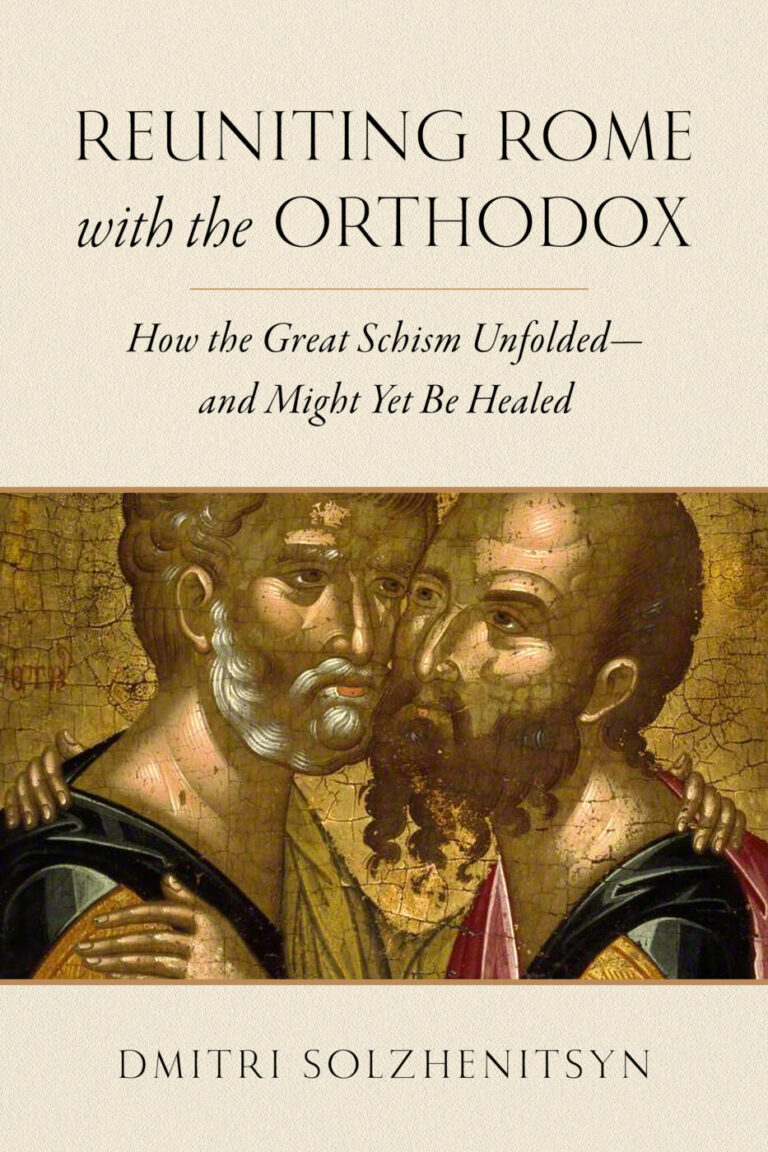
Dmitri Solzhenitsyn author of Reuniting Rome with the Orthodox writes in the National Review
A consummation devoutly to be wished
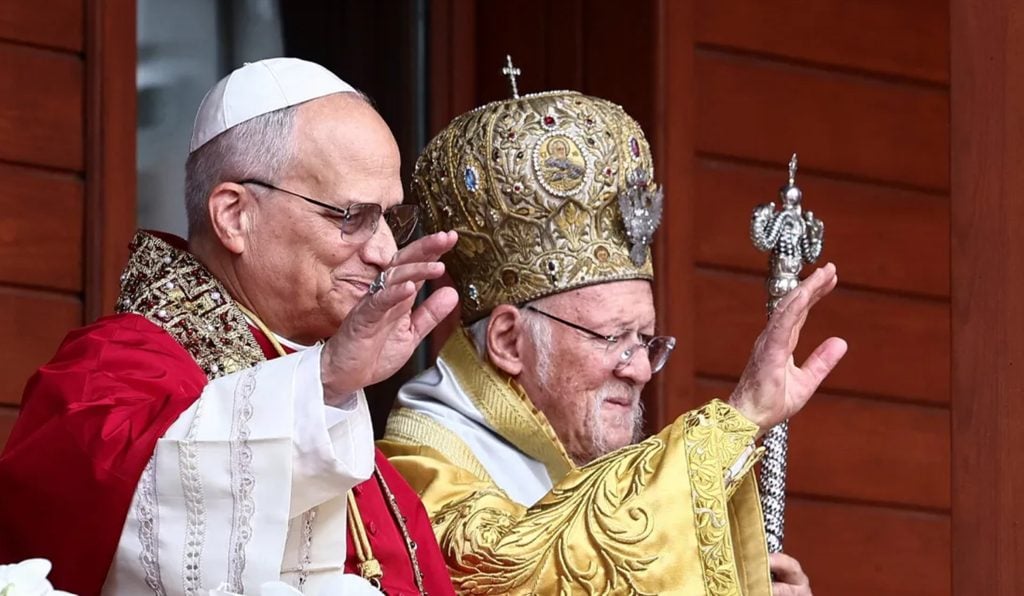
Since 1964, Catholic popes and Eastern Orthodox patriarchs have met, embraced, and prayed together with a regularity that would have astonished their medieval (or even 19th-century) predecessors. The following year, Pope Paul VI and Ecumenical Patriarch Athenagoras of Constantinople lifted the mutual excommunications of 1054. Last year, Ecumenical Patriarch Bartholomew of Constantinople and Pope Leo XIV openly shared their aspiration for the eventual reunification of the Catholic and Orthodox Churches. Yet such events do not always reach local parishes or monastery cells. The church figures championing unity and working through the doctrinal differences that formally divide the churches must also reckon with the skepticism of some Orthodox Christians toward Rome — or at least toward the idea of reunifying with Rome. (Indeed, polling bears out that the Orthodox are less open to reunion than the Catholics are.) That skepticism is, of course, itself often related to the major theological barriers between the churches — most prominently, the filioque teaching on the Holy Spirit’s eternal procession and the essence and exercise of papal authority — but many further factors keep the Orthodox at arm’s length from Rome.
A common source of Orthodox suspicion of the Roman Church is the perception that the Vatican is rashly innovative or, at the very least, too prone to reform. Rome’s relatively recent modification of the order of the sacraments of initiation in 1910, its 1950 dogmatization of the Assumption of Mary, and the liturgical and architectural changes that followed Vatican II have each attracted some measure of Orthodox criticism. Of late, the most frequent accusation has been that the Catholics are unable to stand forcefully enough against the LGBT movement. In particular, Fiducia Supplicans, a 2023 Catholic declaration permitting priests to bless same-sex couples (with the understanding that those seeking the blessing see themselves as destitute and in need of God’s transformative healing) was seen by many Orthodox as jeopardizing traditional Christian moral norms…