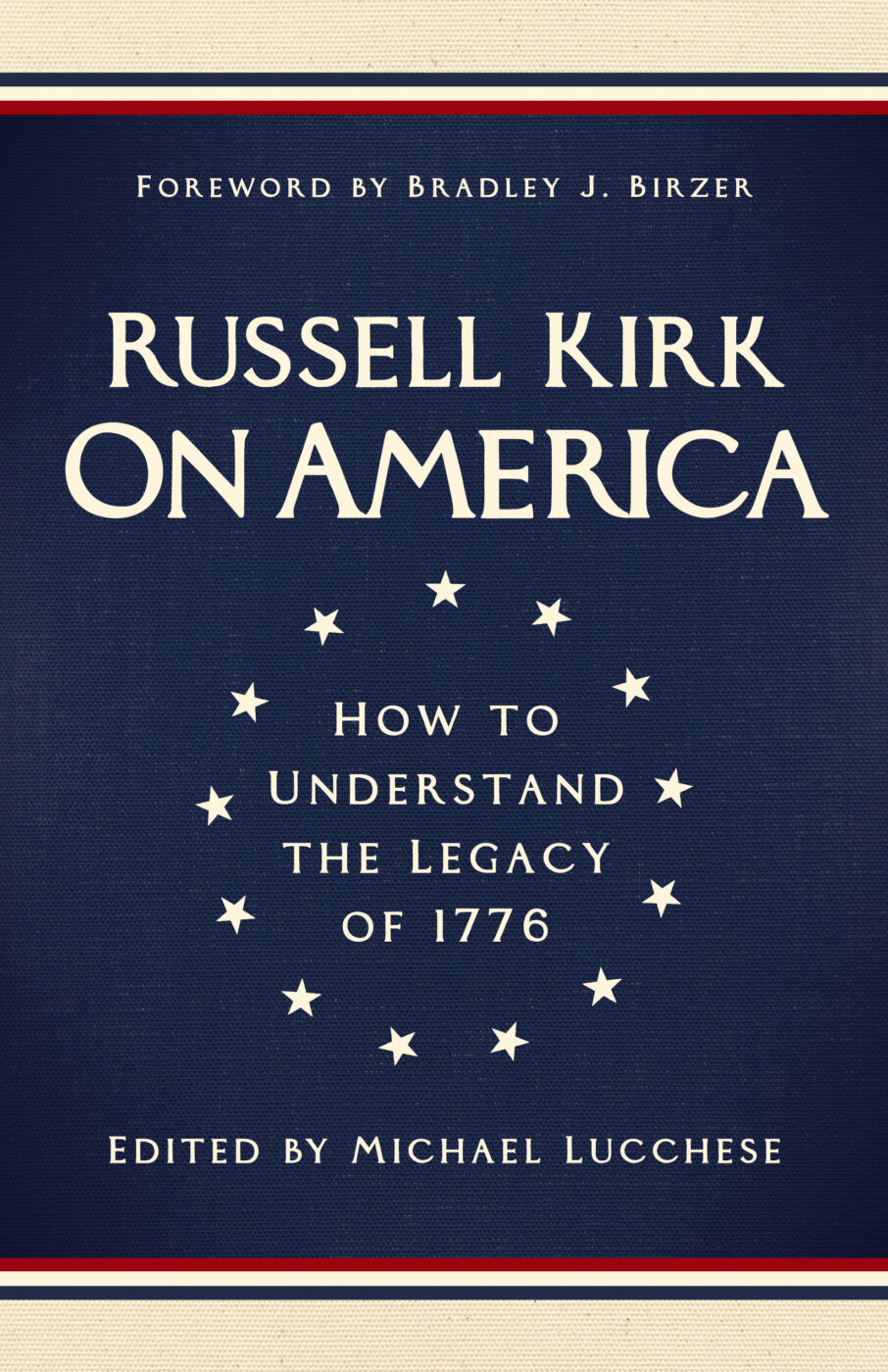
On America: How to Understand the Legacy of 1776

Just in time for America’s 250th birthday, a legendary thinker’s reflections on the roots, meaning, and legacy of the Founding.

Description

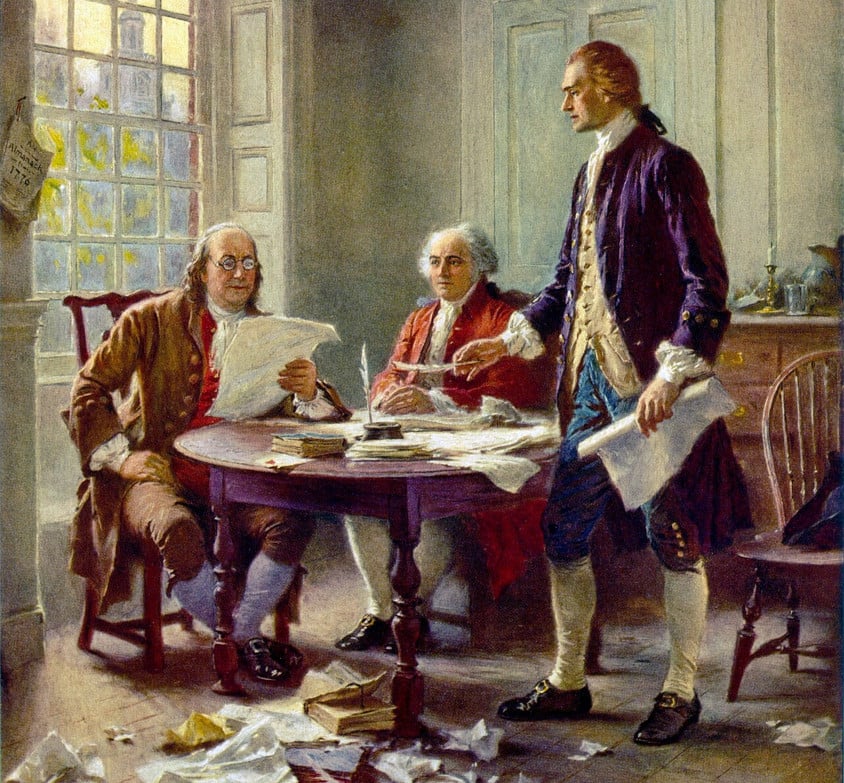
As Americans mark the semiquincentennial of their republic’s birth, they are deeply divided over the nature and meaning of the American Founding. Does the United States rest on an intrinsically racist basis, as is now so often claimed? Did the Declaration of Independence commit the United States to a perpetual revolution aimed at liberating the American people—and others—from all inherited constraints? If America’s framers were neither vile racists nor wild-eyed radicals, were they at least good liberals?
 
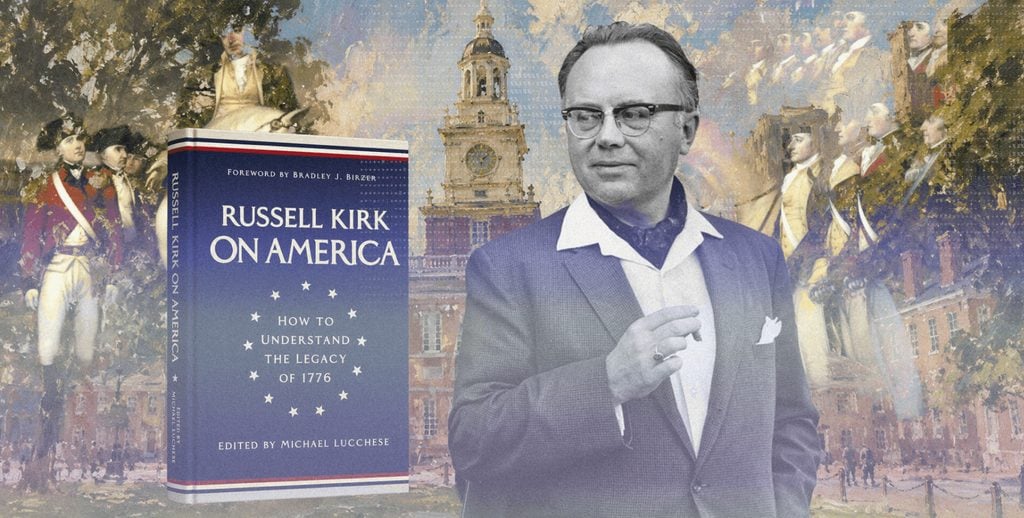
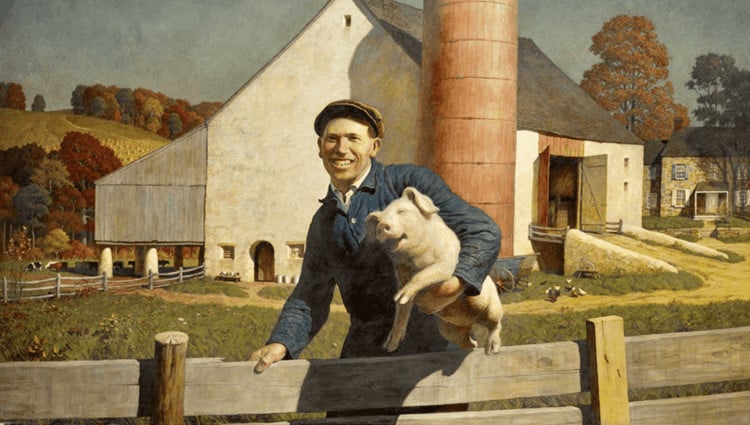
They were in fact none of these things. So argued Russell Kirk, one of the most important and brilliant political thinkers of the twentieth century. In On America: How to Understand the Legacy of 1776, Kirk warns that America is not an “experiment,” but rather a particular expression of the entire Western heritage. The Founding of the United States should be understood as an essentially conservative act, Kirk believed, and was therefore an achievement in which sober-minded Americans ought to take pride.
 
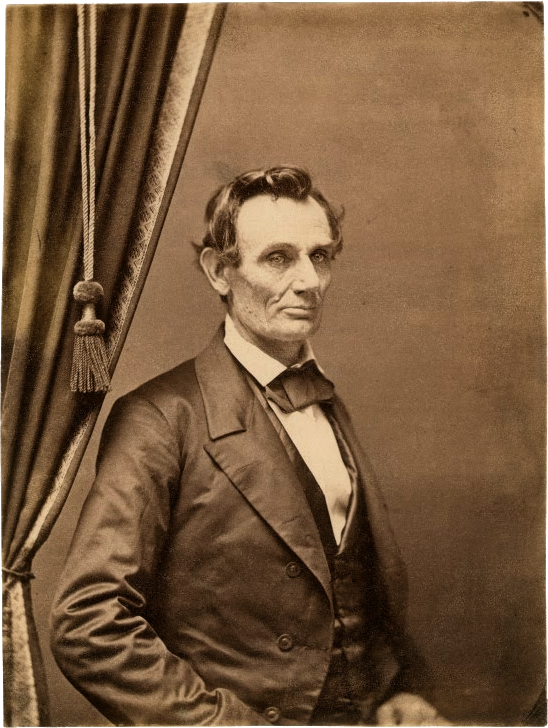
Besides fresh, accessible essays on the Declaration of Independence and the Founding period, On America includes Kirk’s insightful reflections on wise American statesmen from John Adams to Abraham Lincoln to (surprisingly) Eugene McCarthy, as well as his interpretations of great American writers from Nathaniel Hawthorne to Robert Frost to Mark Twain. The result is a timely volume that illuminates what America means—and what it means to be an American.

PUBLICATION DATE: June 9, 2026

Product data
Product Type
Hardcover
Pages
250
ISBN or UPC
9781967613045
Dimensions
5.5 in X 8.5 in
Weight
SKU
Product Type
Ebook
Pages
250
ISBN or UPC
9781967613090
Dimensions
Weight
SKU
Contributors
Michael Lucchese
- Editor and Introduction

Michael Lucchese’s writing has appeared in the Wall Street Journal, National Review, and the Washington Examiner, among other outlets. He is the founder and CEO of Pipe Creek Consulting, an associate editor of Law & Liberty, and a contributing editor to Providence.

Bradley J. Birzer
- Foreword

Bradley J. Birzer is professor of history and the Russell Amos Kirk Chair in American Studies at Hillsdale College. His books include Russell Kirk: American Conservative and J. R. R. Tolkien’s Sanctifying Myth.

About the Author

Russell Kirk

Russell Kirk (1918–1994), considered the father of the postwar conservative intellectual movement, was one of the most influential writers of the last century. His many books include The Conservative Mind: From Burke to SantayanaEliot and his Age: T. S. Eliot’s Moral Imagination in the Twentieth CenturyThe Roots of American Order; and The Sword of Imagination: Memoirs of a Half-Century of Literary Conflict.

View Author Spotlight

Endorsements

No endorsements found.

More Titles

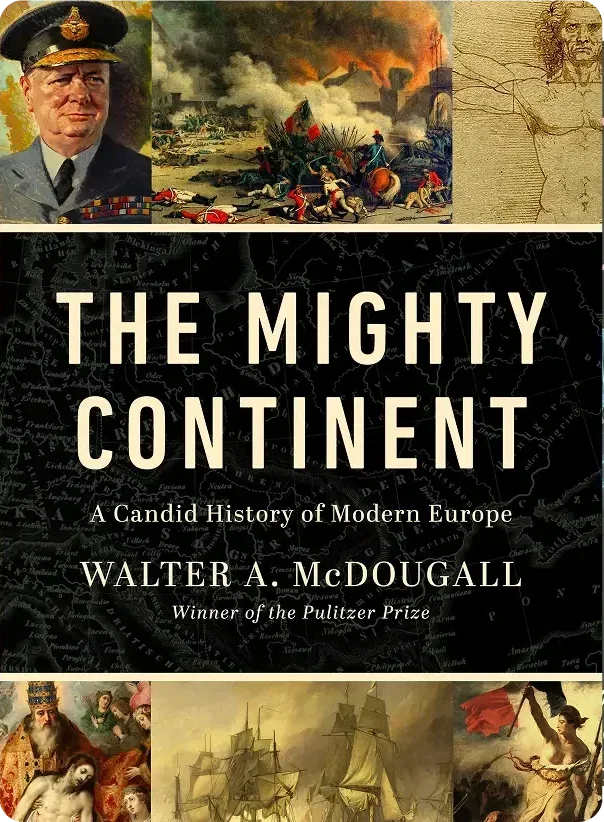
The Mighty Continent: A Candid History of Modern Europe

The fascinating story of how European technology, ideas, and insights came to dominate our world.

In The Mighty Continent, the renowned Pulitzer Prize–winning historian Walter A. McDougall recounts the truly dramatic tale of modern Europe’s ascent. McDougall serves this history straight up, free of shame, apology, and the cloying moralism so characteristic of today’s supposed scholarship. The result is a work that is not only expertly presented but thrilling.

McDougall’s sweeping narrative takes in the domestic political, economic, social, intellectual, and cultural developments in the major European nations from the fifteenth to the twenty-first century. Along the way, he provides new insights on and interpretations of the Renaissance, the Protestant and Catholic Reformations, the Age of Exploration, the Scientific, French, and Industrial Revolutions, the sources of modernism, the origins of World War I, the rise of totalitarianism, the advance of the European Union, the collapse of communism, and much else.

Comprehensive yet compact, objective yet unabashed, The Mighty Continent is history as it used to be: exciting, uplifting, ironic, not infrequently tragic—and above all, fair to the figures who made modern Europe so world-shakingly powerful and inescapably influential.

PUBLICATION DATE: January 20, 2026

Shop this title

Pandemic of Lunacy: How to Think Clearly When Everyone Around You Seems Crazy

Staying sane—and grounded in the truth—amidst a world gone mad.

What is happening to the world? Why does it seem like everyone has gone crazy? Why are so many things that seemingly everyone believed the day before yesterday suddenly held to be retrograde, hateful, or even criminal? And why are things that everyone seemed to view as lunacy the day before yesterday suddenly taught or even required? In Pandemic of Lunacy: How to Think Clearly When Everyone Around You Seems Crazy, University of Texas philosopher J. Budziszewski patiently explains the delusions that beset us. Ranging over the topics of morality and happiness, politics and government, family and sexuality, the real and the unreal, and God and religion, Budziszewski makes the case for sanity in commonsense language accessible to all. 

Pandemic of Lunacy will be treasured by anyone who is troubled or confused, anyone who wonders whether the world has gone crazy or whether they have, and anyone who feels the need for a trustworthy guide in a topsy-turvy age.

PUBLICATION DATE: February 3, 2026

Shop this title

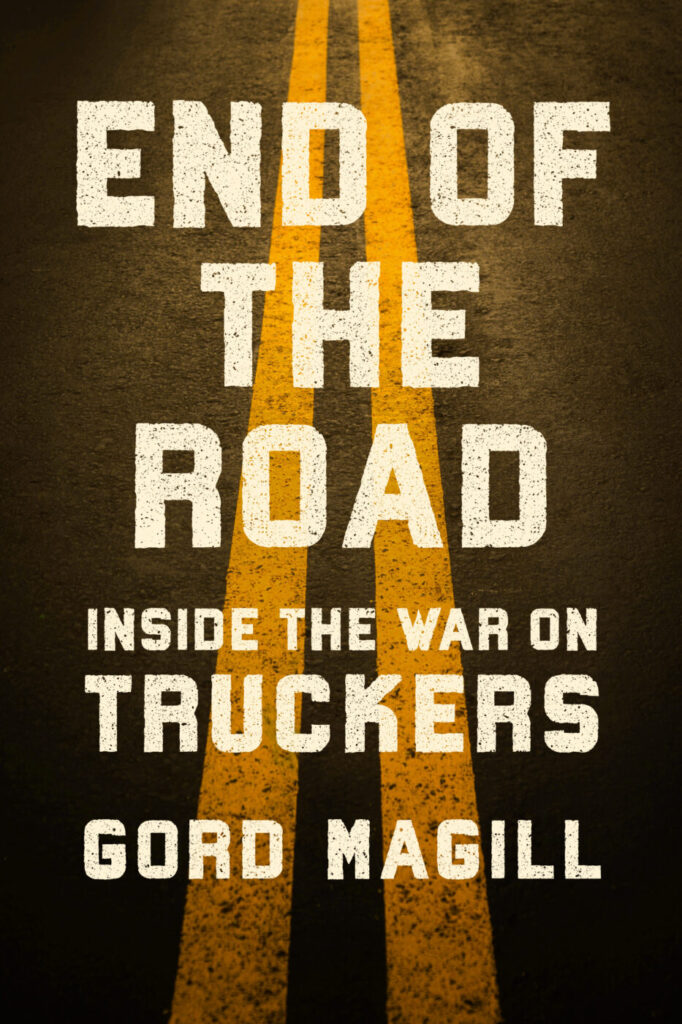
End of the Road: Inside the War on Truckers

An inside-the-cab view of how an iconic American occupation is being destroyed by corporations, politicians, and bureaucrats.

For decades the trucker was a symbol of independence, a knight-errant of the open road. Today, drivers are treated not like people at all, but merely as “inputs” necessary (for now) in moving things from place to place. They are slowly being replaced: first by poorly paid, untrained, exploited immigrants, and soon by driverless RoboTrucks. Truckers are spied on by corporations and governments, regulated into serfdom by politicians and bureaucrats, and considered an afterthought by managerial elites who despise those who do real work with their hands. 

Gord Magill, a third-generation trucker who has driven the ice roads of the Great White North, the deserts of the Australian Outback, and everywhere in between, shows how surveillance technology makes today’s cab a virtual prison, demoralizing drivers and eradicating truck-stop culture. He reveals the immigration scams putting grossly unqualified drivers behind the wheel—and causing horrific accidents on our nation’s roads. And he gives an inside account of the trucker-led “Freedom Convoy” that provoked the most thorough persecution of political dissenters in Canadian history. 

End of the Road describes the human and cultural consequences of a short-sighted quest for efficiency that assigns good jobs a value of zero. Fresh and authentic, this book is a workingman’s call to save the dignity and freedom not just of truckers, but of all blue-collar workers.

PUBLICATION DATE: March 24, 2026

Shop this title

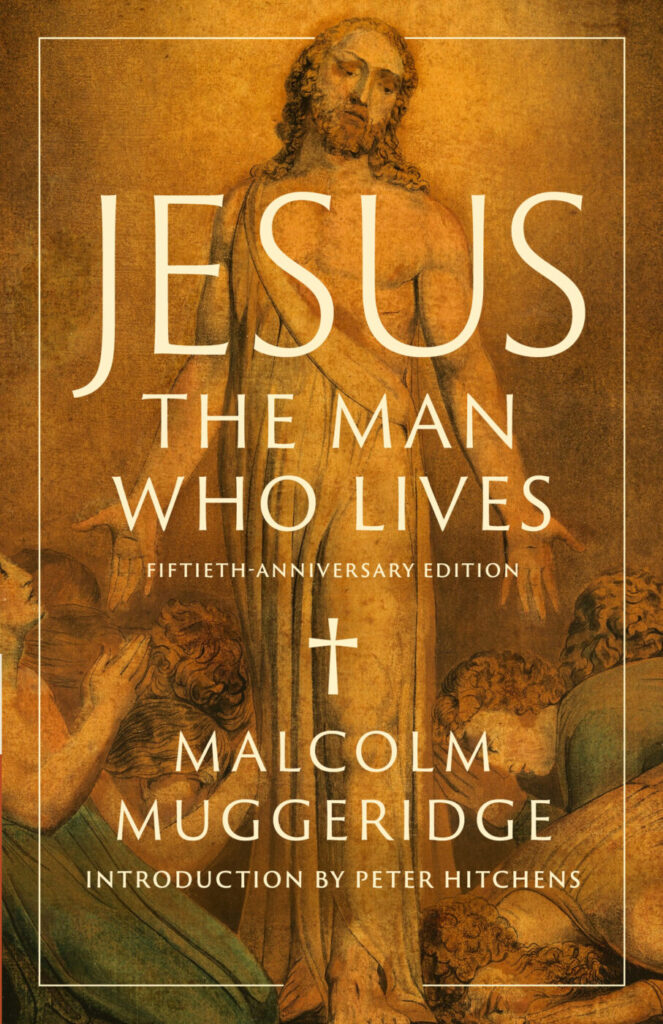
Jesus, The Man Who Lives

One of the most arrestingly insightful reflections ever written on the life, person, and teachings of Christ. 

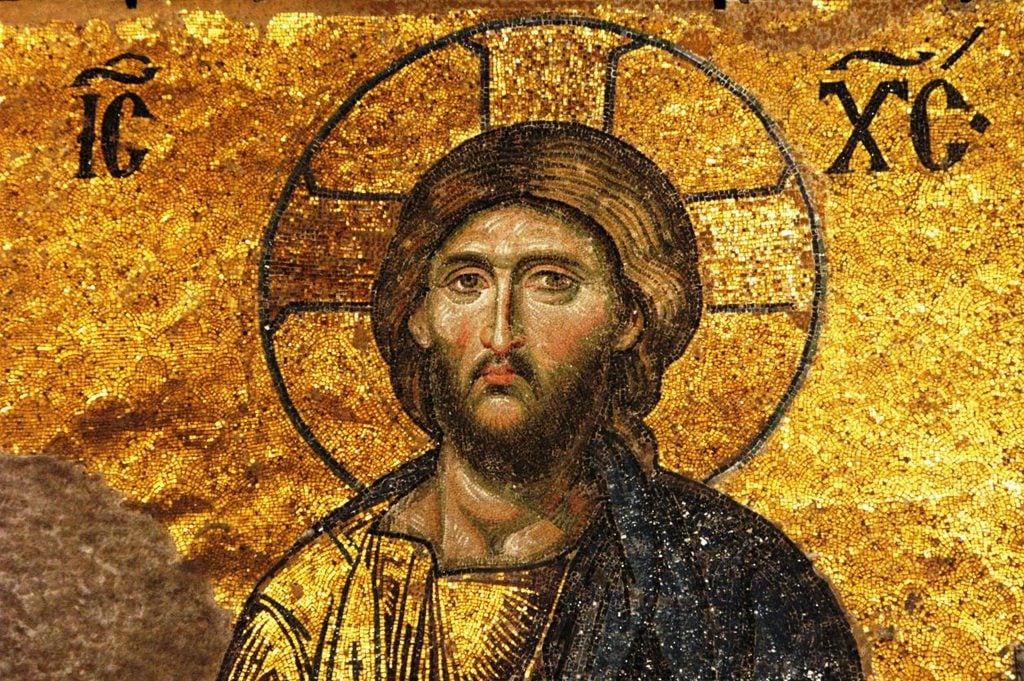
In Jesus, the Man Who Lives, the celebrated British author Malcolm Muggeridge offers a meditation that was deemed by The London Times to be his “masterpiece, the greatest achievement of his life as a writer.” Muggeridge’s portrait of Christ is at once deeply personal and universally accessible.

Beginning with the assertion that the “coming of Jesus into the world is the most stupendous event in human history,” Muggeridge provides astute commentary on the events of Christ’s life, his teachings, his parables, his prophecies, and his relationships. Along the way, he happily punctures many of the cherished myths held about Jesus—and about itself—by the modern, self-satisfied, largely post-Christian world. With his trademark honesty and wit, Muggeridge concludes that “either Jesus never was or he still is. I assert that he still is.” 

This new, fiftieth-anniversary edition proudly reintroduces Malcolm Muggeridge’s profound spiritual meditation to a new generation of readers.

PUBLICATION DATE: April 7, 2026

Shop this title

American Odyssey: What an Ancient Story Reveals about Our Divided Souls

How the Odyssey  illuminates the two sides of the American mind, from one of our most influential cultural commentators.

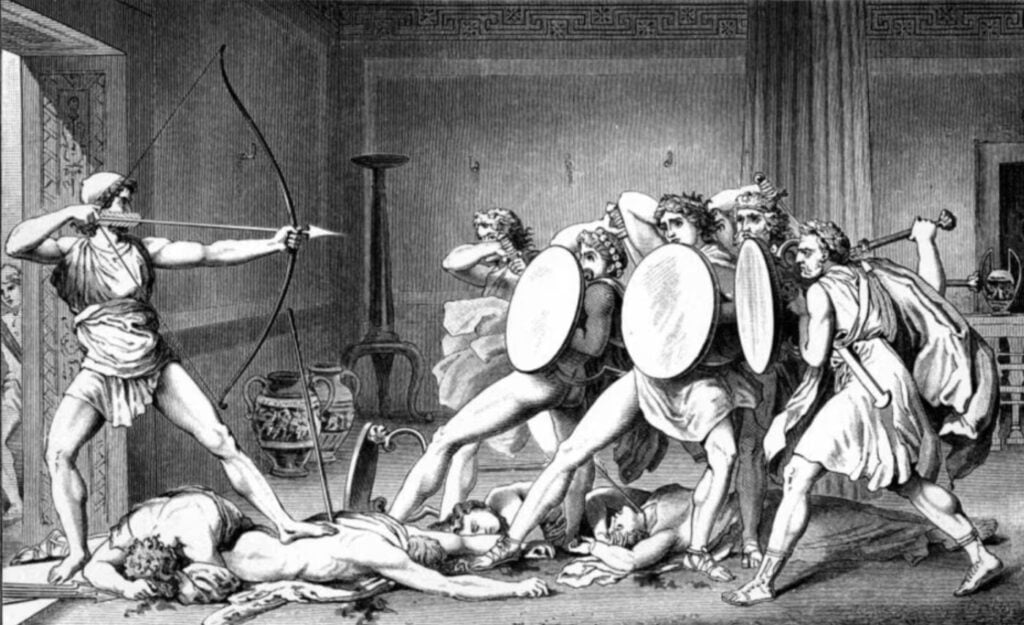
The Odyssey is among the oldest-known written works. Yet it is somehow profoundly contemporary. Its themes are inescapably human: the longing for home; the desire to strike out for new adventures; the aspiration to be more than human; the temptation to wallow in beastlike torpor; the impulse to exact vengeance; the possibility that mercy might bring a violent cycle to an end.

Surprisingly, as the celebrated political philosopher Patrick Deneen explains in this eye-opening book, the Odyssey is also the most American of ancient texts. Like Odysseus, Americans have two fundamental impulses: we are a people simultaneously animated by commitments to being at home and leaving home. Deneen shows us that the deep ambivalence at the heart of the Odyssey is also our own—as some of our greatest books and films attest, from Huckleberry Finn to The Wizard of Oz to Field of Dreams.

The coincidence of the United States semi quincentennial and the release of the blockbuster film The Odyssey affords a remarkable opportunity to explore the deep similarities between the ancient Greek epic and the American character. With his characteristic insight, Deneen reveals how Americans’ Western inheritance contains a paradox, and a set of tensions, that remain at the core of our divided souls.

PUBLICATION DATE: July 21st, 2026

Shop this title

Notes from the Other Side of Night: From Communism to a Fragile Freedom

A lyrical memoir of living under, and escaping from, anti-Semitism and the tyranny of communism.

In Notes from the Other Side of Night, Juliana Geran Pilon provides a beautiful memoir of a return to her native Romania in 1975, which she left with her family when she was just fourteen. Poetically weaving together hard-won adult insights with her childhood perceptions, Pilon tells the haunting stories of her parents, grandparents, neighbors, and friends. She recounts the chilling realities of anti-Semitism, political imprisonment, and judicial execution under Romania’s ruthless communist authorities. And she remembers those few who managed to retain their humanity despite the horrors that surrounded them.

Told with detached melancholy, the result is a book full of political and spiritual wisdom. At a time when the totalitarian crimes of the last century are being minimized, if not entirely ignored, Pilon’s meditation on evil, hope, and love is profoundly moving.

With a new Afterword by the author and a new Introduction by bestselling historian Wilfred M. McClay

PUBLICATION DATE: September 1st, 2026

Shop this title

Independence Hall: The History of an American Icon

The surprising story of how an ordinary building became—finally—a chief symbol of the American Founding and its political ideals.

Independence Hall, where the Declaration of Independence was signed 250 years ago, is today a beloved American shrine and an international symbol of political liberty. Yet it was not always so. In Independence Hall: The History of an American Icon, one of our most accomplished and provocative historians unspools the surprising story of Independence Hall’s origins, varied uses, and ultimate rise to national-landmark status.

D. G. Hart, a Philadelphia native, has an eye for the fascinating and incongruous. He tells not only the stories surrounding the signing of the Declaration of Independence and the framing of the Constitution. He also reveals Benjamin Franklin’s connection with Independence Hall’s origins, how the building later became America’s first natural history museum (led by quirky portraitist Charles Wilson Peale), why Abraham Lincoln lay in state there following his assassination, the role of Kevin Bacon’s father, Edmund, in creating Independence National Park, and why it took so long for the nation to recognize Independence Hall’s significance and meaning.

Written for the general reader, everyone interested in our national story will find this quintessentially American history eye-opening and entertaining.

PUBLICATION DATE: September 22, 2026

Shop this title

Reuniting Rome with the Orthodox: How the Great Schism Unfolded—and Might Yet Be Healed

A scrupulously fair exploration of how the Catholic and Orthodox churches were split asunder—and what a path to union might look like.

In Reuniting Rome with the Orthodox Dmitri Solzhenitsyn provides a careful theological and historical reflection on the prospects for full communion between the Roman Catholic and Eastern Orthodox churches. He argues that Orthodox–Catholic reunification is not only a moral imperative but also a possibility, especially in light of recent ecumenical progress.

Solzhenitsyn traces the arc of Orthodox–Catholic relations from the churches’ shared apostolic heritage to their growing divergence to the Great Schism of 1054. He contends that the breakdown was ultimately fueled as much by a failure to practice love and charity as by doctrinal conflict. And he finds hope for unity in the gradually warming relations between the churches seen since the nineteenth century, as evidenced by symbolic reciprocal gestures and genuine theological breakthroughs.

Solzhenitsyn ends by offering a constructive vision for reunion, focusing on the core theological obstacles of papal authority and the filioque while also addressing broader Orthodox attitudes and the practical mechanics of reunion. In the end, he calls readers, Orthodox and Catholic alike, both to imagine what restored communion might look like in lived experience and to work—and pray—for unity.

PUBLICATION DATE: October 27th, 2026

Shop this title

To Build a Castle: My Life as a Dissenter

A new edition of one of the most compelling and beautifully crafted memoirs of the last hundred years, by one of Russia’s most prominent and courageous anticommunist dissidents.

“If human bravery were a book, it would be To Build a Castle.”—Garry Kasparov

A major document in the literature of human rights, Vladimir Bukovksy’s To Build a Castle is a legendary memoir that has been hailed as a vital classic by figures ranging from Ronald Reagan to Tom Stoppard to Garry Kasparov.

At the age of twenty, Vladimir Bukovsky was falsely declared insane and committed to a psychiatric hospital—standard practice for communism’s critics in 1963. But the quack doctors and brutal guards who kept him captive didn’t realize: Bukovsky wasn’t locked up with them. They were locked up with Bukovsky.

In this haunting work, Bukovsky details with equal parts burning outrage and bitter humor the cruelties imposed upon Soviet prisoners of conscience. But he also recounts how he found his inner strength and built a fortress around it—the imaginary castle of the title—in which he could remain safe from the daily assaults on his body and mind.

In To Build a Castle, Bukovsky offers powerful firsthand testimony to the importance of personal integrity and perseverance under seemingly boundless oppression and abuse. For nearly fifty years, Bukovsky’s story has inspired dissidents, prisoners, and others trapped by circumstance with a profound truth: Even in chains, you can be free.

A worldwide bestseller when first published in 1978, this new edition, masterfully translated from the Russian by Michael Scammell, includes a major introduction by acclaimed political philosopher Daniel J. Mahoney.

PUBLICATION DATE: November 10th, 2026

Shop this title

TEACH ME YOUR SUFFERING

The best-selling author of The Catholic Guide to Depression delves into a simple prayer that offers the paradoxical secret to happiness.

Christians who are undergoing great pain, whether physical or mental, know to turn to God. In doing so, they typically ask that their suffering be removed, or at least that it be explained. But that’s the wrong approach, explains the renowned psychiatrist Aaron Kheriaty. Instead, we should ask Christ to teach us His suffering, where we encounter the depths of His love and find liberation from our afflictions.

In this groundbreaking book of Christian spirituality, Kheriaty takes readers into the heart of the simple prayer Doce me passionem Tuam—“Teach me Your suffering.” Drawing from his own clinical experience, the lives of the saints, the teachings of recent popes, and the tradition of the Church, he shows that by shifting our focus from demanding answers for our pain to entering Christ’s own agony, this prayer draws us into God’s love and offers authentic freedom.

Written for anyone who wishes not only to overcome suffering but also to grow in his or her spiritual life, Teach Me Your Suffering’s meditations on the Eucharist, the Holy Family, and Christ’s Passion will show readers how and where God’s love is fully revealed—and how and where human anguish finds meaning.

PUBLICATION DATE: February 9th, 2027

Shop this title

subscribe

to receive updates and special offers from Creed & Culture

Footer Subscription

By submitting this form I confirm that I have read and accept the Privacy Policy.