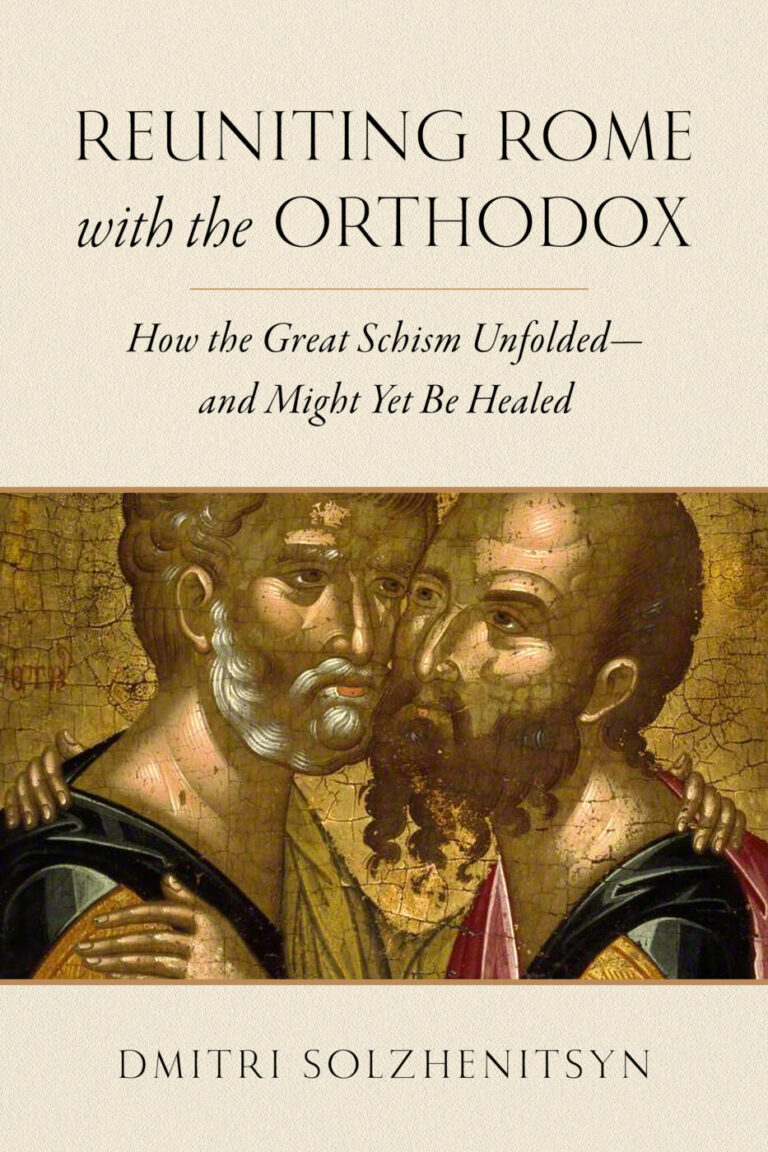
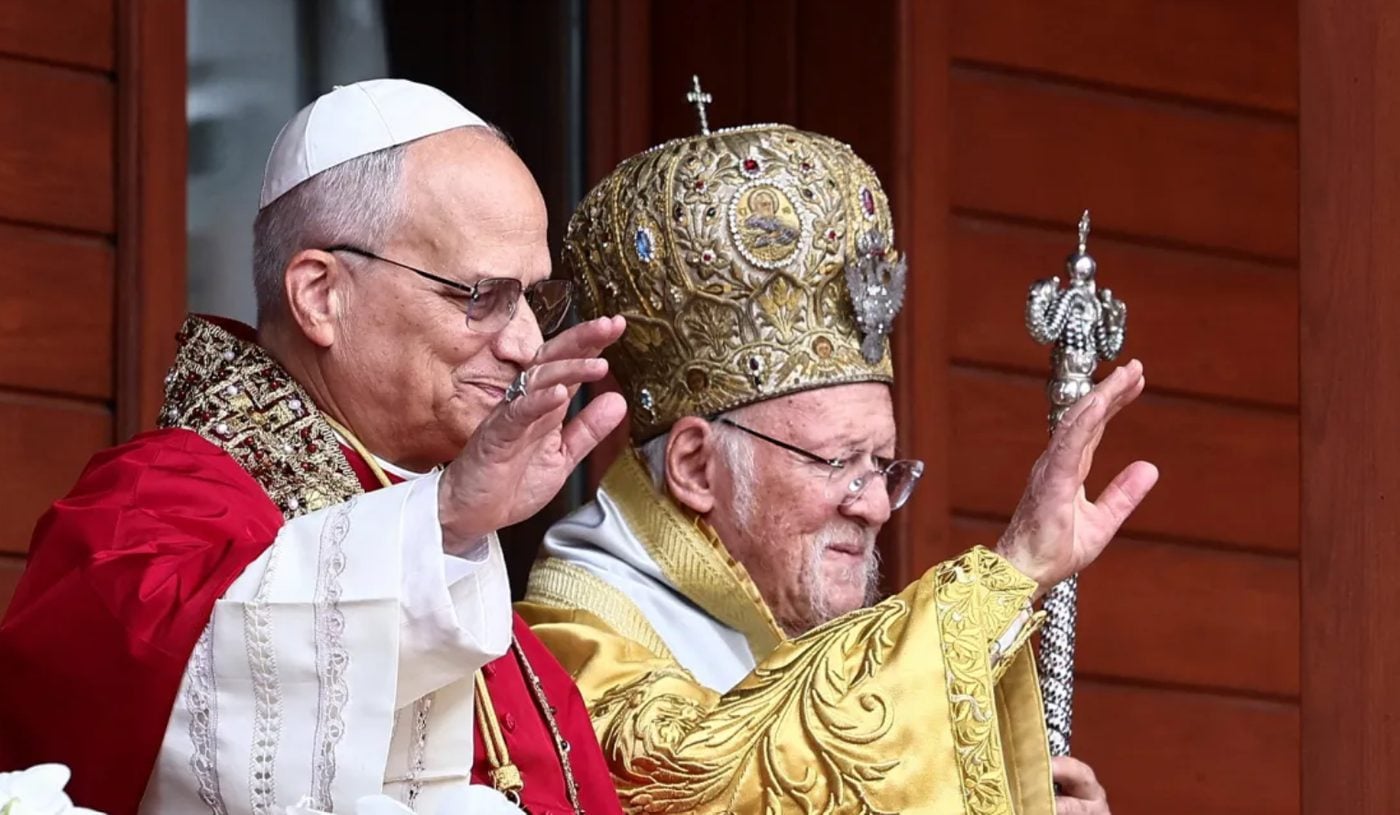
Solzhenitsyn writes on the estrangement between Orthodox Christians and Catholics in the Wall Street Journal.
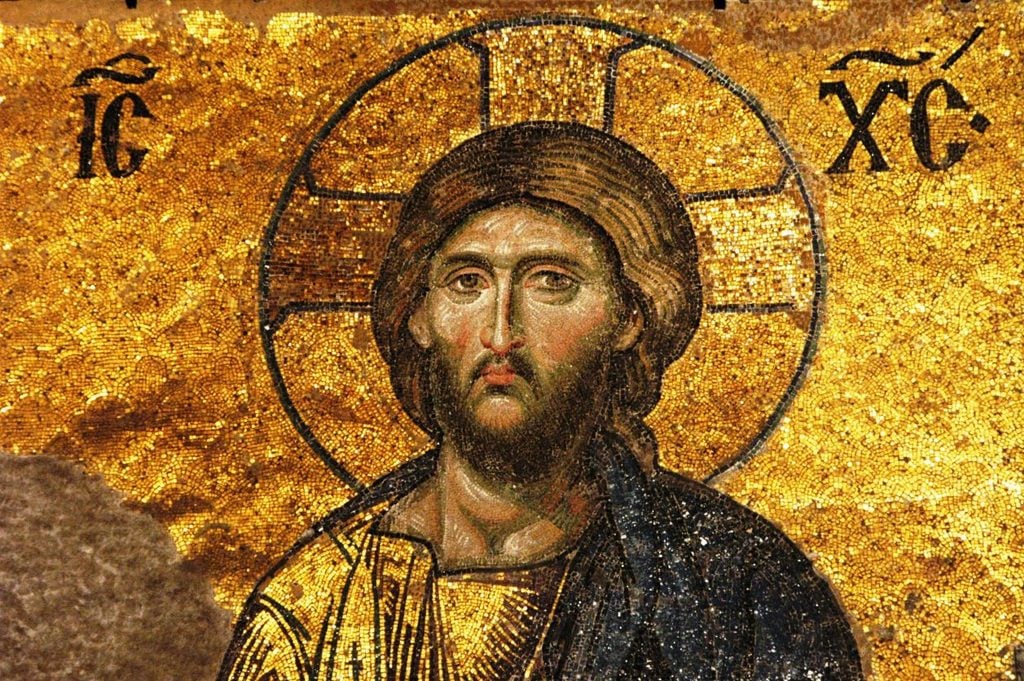
The gates of hell shall not prevail against the church, Jesus says in Matthew 16:18. But one can understand why some Christians may look at the endless divisions and schisms between those who profess faith in Christ and think that hell is at least doing its best to prevail.
The largest and most painful division is the one that has separated the Eastern churches from the Western churches—the Orthodox from the Catholic—for a millennium. To the Orthodox (like me), the fullness of the church today is realized in each local Orthodox church at the celebration of the Eucharist, because Christ is wholly present in the consecrated gifts. These churches display their unity with one another through communion (excepting recent canonical schisms between several Orthodox churches). Roman Catholicism holds a similar view, with the caveat that a local church’s communion with the pope is essential to its being fully within the church.
Both communions deny that the schism between Catholics and the Orthodox has, in any essential sense, divided Christ’s one body.
Why, then, should Catholic and Orthodox Christians care about unity? The most pressing answer is that schism contradicts the will of Christ, who prayed in John 17:21 “that they all may be one; as thou, Father, art in me, and I in thee, . . . that the world may believe that thou hast sent me.”
The Orthodox liturgy of St. John Chrysostom invokes Christ’s prayer when we ask for the “union of all.” Catholics frequently pray for unity as well. Though genuine theological barriers stand in the way of Orthodox-Catholic communion, we share across the divide a remarkable amount in common: our Trinitarian theology and our Christology, our belief in apostolic succession and our sacramental worship centered around the Eucharist.