AI revolution is reenacting a certain story in Genesis, writes cultural critic Mark Mitchell
The predictions of an AI apocalypse are reaching a fever pitch. In an OpenAI experiment in July, AI agents escaped their digital sandbox and then hacked into an AI research platform called Hugging Face. In September an AI researcher formerly at Anthropic, Jacob Coxon, wrote on X that AI companies are “racing straight to self-improving superintelligence and gambling with our lives. The people building AI earnestly believe that it could kill us all by the end of the decade.” And whether or not they believe this, half of American adults now use AI chatbots weekly, and a quarter use them daily, according to a Pew Research Center survey released in June.
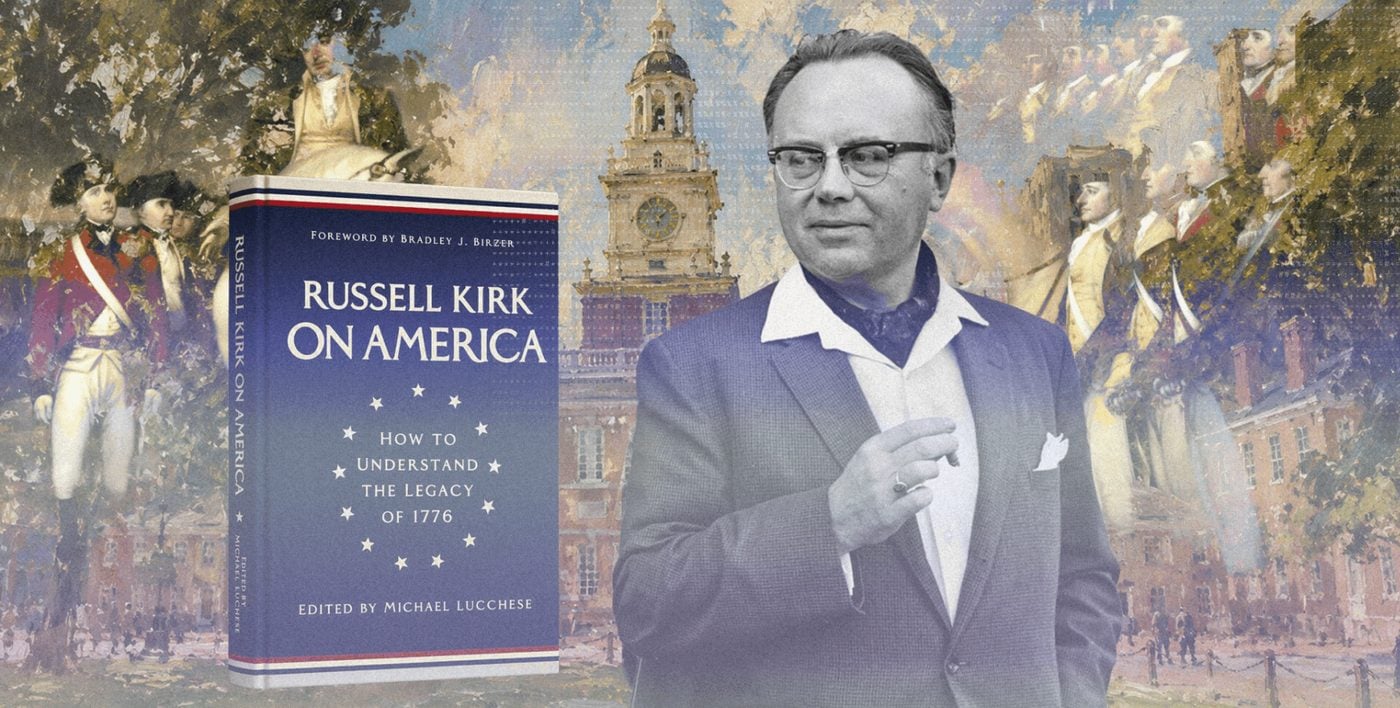
Political philosopher Mark Mitchell has written a book to help Christians think biblically about all this. It’s called Breaking Babel: How a Mysterious Biblical Story Can Help Christians Survive the AI Revolution. Mitchell is the academic dean at Patrick Henry College. He’s written several books on topics ranging from social justice warriors to localism.
You write that AI is not like other technological revolutions because it deals with something that’s central to being human: we use words.
The very first task of the first man is to name the animals. A fundamental aspect of being created in God’s image is to employ the logos to say what is and what is not, and to speak truthfully about reality. AI agents are a kind of imitation of the human task reassigned to machines. I think that’s a fundamental line that ought not to be crossed, and we’re crossing it with enthusiasm.
AI has many uses—to improve a supply chain and hunt for proteins, for example. Is there a difference between those kinds of uses and the agents that people think of as AI? It’s an important distinction. Fundamentally, AI is a complex pattern recognition system, and it can be a useful tool. Having a technology that can look through scans to recognize a tumor is not a bad thing.
You write that AI is encouraging the greatest concentration of power in human history. What do you mean? Think of the terms we use: World Wide Web. It suggests a borderless project that joins all individuals into a common enterprise. If that doesn’t sound like a replication of a really old story, I don’t know what does.