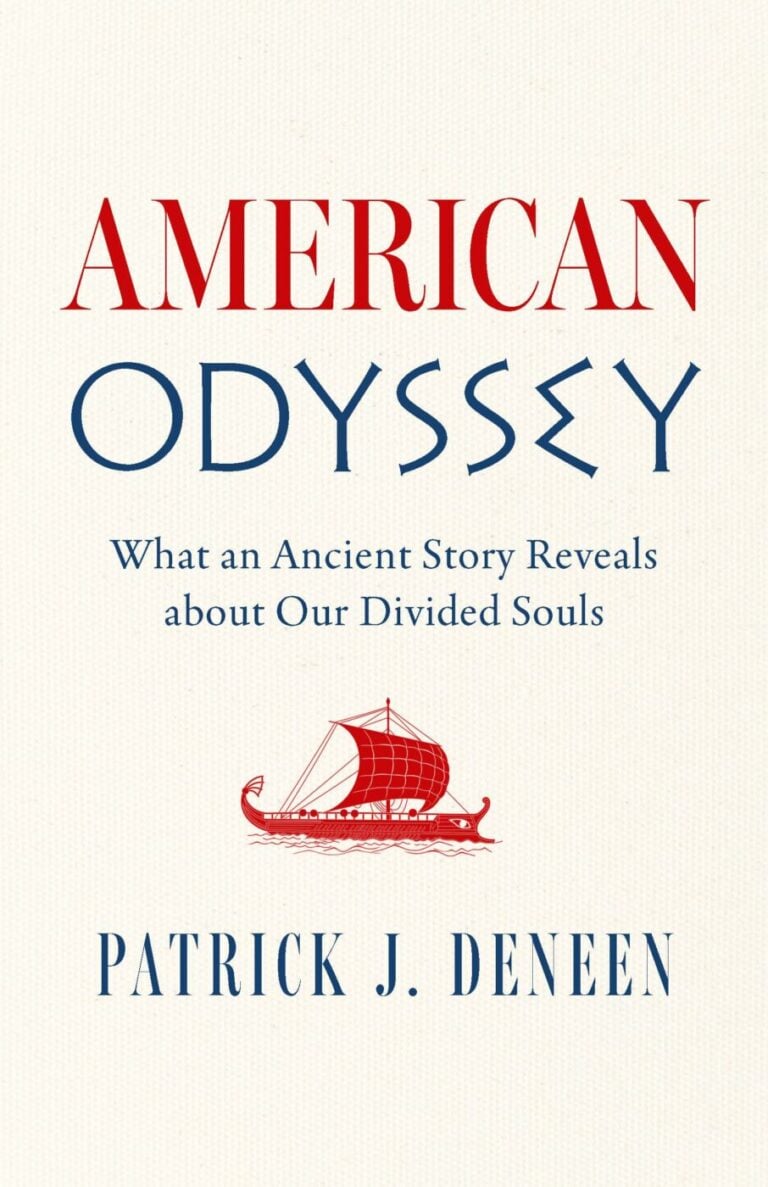
Luke C. Sheahan reviews American Odyssey in the National Review
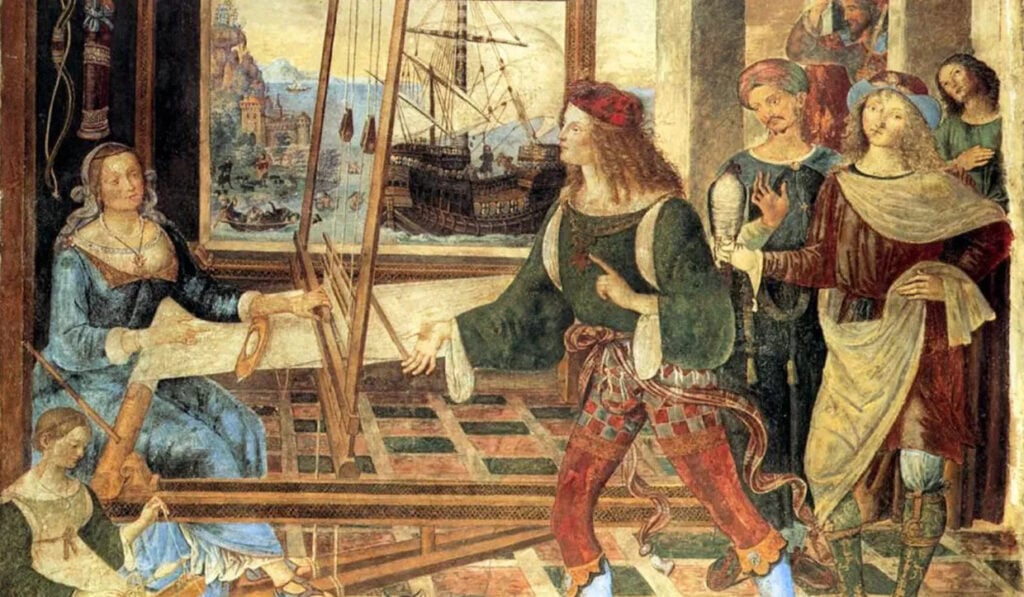
Patrick Deneen has returned home. Best known for his role as an architect of post-liberalism, a variegated intellectual movement that has plausibly influenced Vice President JD Vance’s political views, Deneen has come back to the topic of his award-winning dissertation: The Odyssey of Homer. Deneen’s work in political theory — with its grave, albeit vague, implications for social policy — notwithstanding, his mind is primarily literary and philosophic. He is at his best — and objectively brilliant — when he is contemplating literature to illuminate the human condition.
American Odyssey is light on political commentary, and even the political theory is understated. I recall just one appearance of Deneen’s bogeyman, John Locke, and only in the preface. This book is about the soul, especially the American soul, and the tensions within which we abide. Deneen sees The Odyssey as a story about the fundamental nature of human existence: our longing for home and the desire to desert it, our mortality and the temptation to transcend it. He traces these themes through great American stories that are, he convincingly argues, retellings of The Odyssey, such as The Wizard of Oz, The Adventures of Huckleberry Finn, It’s a Wonderful Life, and Field of Dreams.
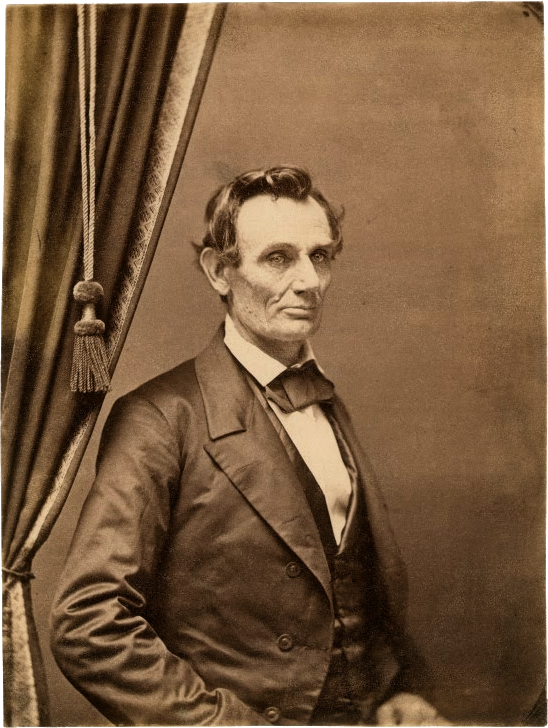
Deneen begins with Alexis de Tocqueville’s famous study of American character that is, upon deeper reflection, a critique of the American character. Tocqueville observes Americans who are never at home, never at ease. Originally, the Puritans set out to found a home, to establish a place to live out their lives. Even in Tocqueville’s time, more than 200 years removed from the Puritans’ arrival in New England, the town remained the center of American life and self-government. While anchored to a local community, the Americans whom Tocqueville observed were restless even in their successes, flitting from one thing to another, always believing that their restlessness would cease just on the other side of a new venture.
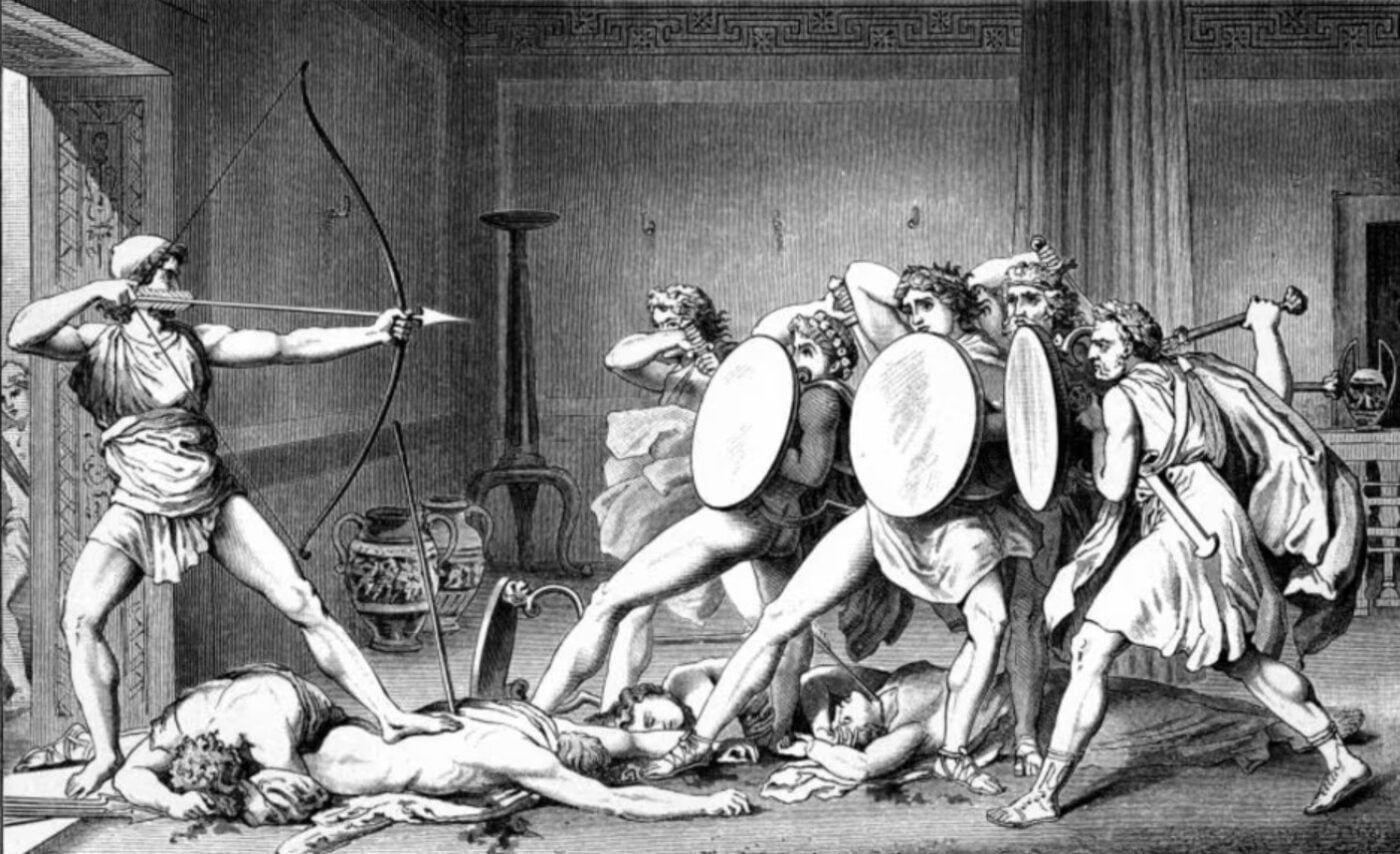
Odysseus cuts a familiar figure in America. He too was a restless soul who longed for adventure while pining for home. We can claim him almost as much as the Greeks can. This is not flattering, even if it is enlightening. Odysseus is no exemplar. Dante buries him deep in hell for his hubris, his rejection of the limits of hearth and home. While The Odyssey ends with Odysseus returning home, plenty of readers, including Dante, get the sense that he will again sail away, leaving Penelope and Telemachus once more to fend for themselves.
Read the whole article here.