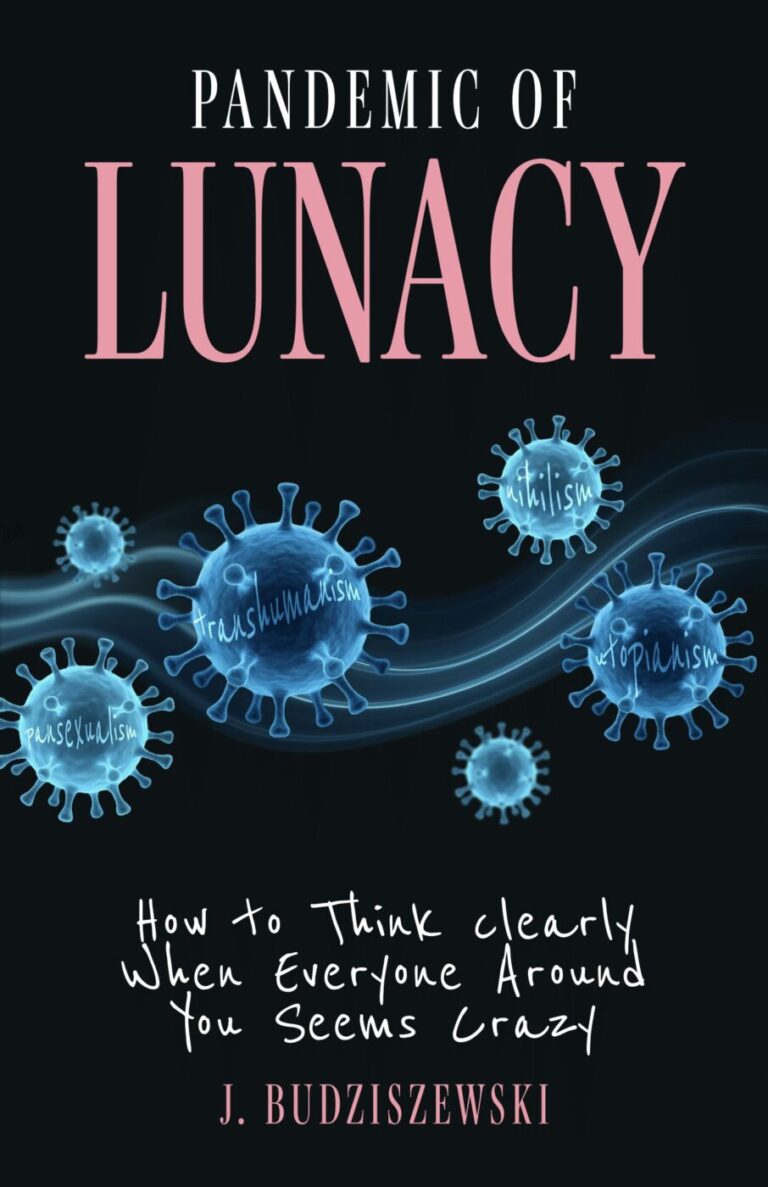
J. Budziszewski, author of Pandemic of Lunacy: How to Think Clearly When Everyone Around You Seems Crazy, explains what the field of “happiness studies” gets wrong.

Demand elicits supply. The demand I have in mind is the demand for happiness: Suicide rates are up, depression is up, and though people today seek to be happy, as in all ages they do, they say they aren’t. The supply is an explosion of books, conferences, and college and business school courses on being happy, and the emergence of happiness gurus and celebrities.
The scholarly element is the new field of happiness studies, sometimes called positive psychology. Its prehistory seems to lie in the humanistic psychology movement typified by Abraham Maslow and Carl Rogers, who urged practitioners not to dwell exclusively on pathology and mental illness but to consider the elements of well-being. Today led by such figures as Martin Seligman and Jonathan Haidt, the field has left those beginnings far behind. No longer just an academic theory, it has surpassed the stages of bloom, vogue, and fad to become a full-blown, galloping movement. I would by no means say that such an important topic as human happiness does not deserve scholarly attention. And yet the field exhibits some disturbing features, as galloping movements usually do.
Continue reading . . .